
A New Tax Map for India: GST 2025 and the Future of Consumption
By SK Agarwal (IRS GST Retd.)
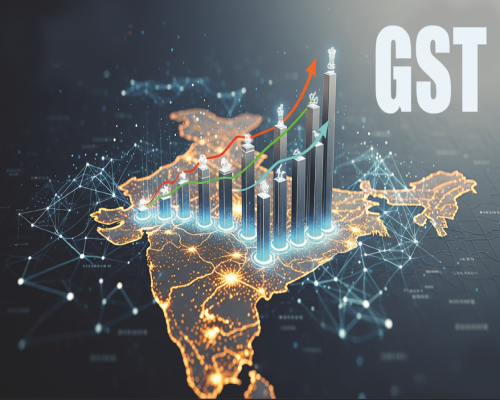
The Goods and Services Tax (GST) Council has introduced one of its most sweeping overhauls since the inception of the tax regime, effective from 22 September 2025. The revisions cover a wide spectrum of sectors, including food, agriculture, healthcare, consumer electronics, automobiles, textiles, education, paper, and household items, with the clear intent of easing the tax burden on essentials while increasing rates on luxury and sin goods.
In the food sector, the changes are particularly significant. UHT milk, paneer, pizza bread, chapatis, and parottas have all been moved to the nil rate slab, providing relief to households and food-service businesses alike. Essentials such as condensed milk, cheese, butter, ghee, dried fruits, and nuts have been reduced from 12% to 5%. Processed items like sauces, namkeens, tender coconut water, and plant-based beverages also benefit from rate cuts. On the other hand, aerated drinks, caffeinated beverages, pan masala, and carbonated fruit beverages have been raised sharply to 40%, ensuring that while basic nutrition becomes more affordable, consumption of sin goods is discouraged.
Agriculture, the backbone of the economy, has seen significant relief. Diesel engines, irrigation equipment, harvesters, tractors, and composting machines have all moved to a lower 5% bracket, substantially reducing capital expenditure for farmers. Fertilizer inputs such as sulphuric acid, nitric acid, ammonia, bio-pesticides, and micronutrients have also seen reductions, which will lower input costs and encourage sustainable farming. The tractor ecosystem, including tyres, pumps, clutches, and radiators, has benefited from a similar reduction, directly supporting India’s mechanisation drive.
Healthcare reforms within GST are equally notable. A wide range of life-saving drugs, including advanced biologics and therapies, have either been exempted or moved to the 5% category. Items like medical oxygen, diagnostic kits, thermometers, glucometers, surgical gloves, and key medical instruments now carry lower rates, making treatment more affordable and expanding access to advanced healthcare.
For the common man, a long list of household essentials has become cheaper. Tooth powder, candles, safety matches, feeding bottles, jute and cotton shopping bags, tableware, sewing machines, bicycles, bamboo and cane furniture, and baby diapers have all moved to 5%. Personal care products such as toothpaste, shampoo, soaps, and shaving products have been reduced from 18% to 5%, offering direct relief to families.
The government has also extended relief to green growth sectors. Renewable energy equipment like solar cookers, solar water heaters, photovoltaic cells, and wind turbines now attract just 5% GST, incentivizing the adoption of sustainable energy solutions. Consumer electronics such as air-conditioners, televisions, and dishwashers, which were earlier taxed at 28%, have been rationalised to 18%, creating headroom for affordability in the middle-class household segment.
The textile and apparel sector has seen lower rates for a wide range of yarns, fabrics, and carpets, while clothing priced below ₹2,500 per piece continues to attract only 5%. Above that threshold, rates remain at 18%, maintaining a clear demarcation between mass and premium consumption. The paper and education sector has also benefitted, with notebooks, exercise books, maps, pencils, and crayons moved to nil or 5%, directly lowering the cost of education for millions of students.
Automobiles, a sector with strong consumer linkages, have seen a mixed approach. Small cars, three-wheelers, motorcycles below 350cc, and bio-fuel buses now attract 18%, down from 28%, providing a boost to mass mobility. In contrast, luxury vehicles, large SUVs, motorcycles above 350cc, yachts, and personal aircrafts have been pushed up to 40%, reinforcing the progressive taxation structure. Coal, however, has moved upward from 5% to 18%, a conscious decision aimed at balancing revenue while promoting cleaner alternatives.
Artisans and small businesses have been recognised through cuts on handicrafts, toys, wooden and brass artware, shawls, paintings, and sculptures, all reduced to 5%. This supports rural clusters and cultural industries, stimulating demand in domestic and export markets.
Overall, the GST rationalisation of 2025 strikes a careful balance—lowering rates on essentials, education, healthcare, agriculture, and renewables, while tightening taxation on luxury consumption, tobacco, pan masala, and sugary beverages. The reforms are expected to lower household expenses, stimulate demand in core sectors, and promote sustainability, while ensuring that revenue neutrality is maintained by taxing high-end goods more heavily. For businesses, the next steps involve recalibrating pricing, updating contracts and MRPs, ensuring compliance with revised HSN classifications, and communicating changes swiftly to distributors and retailers. The policy direction is clear: GST is evolving as a tool not just for revenue but also for shaping consumption, encouraging equity, and guiding India’s development priorities.