
Bangladesh Faces Deepening Rift Between Army and Caretaker Government; Yunus May Resign
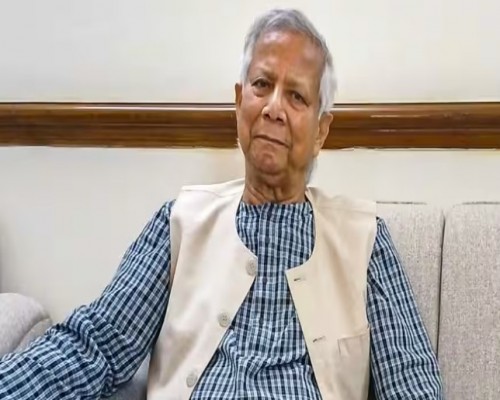
A major political and institutional crisis is unfolding in Bangladesh as tensions escalate between the interim caretaker government and the military leadership. Reports indicate that the dispute—centered around conducting midterm elections and internal policy decisions—has reached a critical stage, with interim government head Muhammad Yunus reportedly considering resignation.
The friction came to light following disagreements over the timing and process of the upcoming general elections, which are constitutionally due in December. While the interim government wants to proceed with political dialogue and electoral reforms, the military leadership is reportedly pressuring for an earlier resolution, raising questions about the caretaker government's authority and decision-making capacity.
Army Chief General U.Z. Jaman has openly questioned the interim government's handling of key administrative and security matters. His recent statements have sparked political debate, suggesting a possible power tussle behind the scenes.
Further compounding the issue, sources claim the army is dissatisfied with the interim government's stance on military operations in the restive Rakhine region of Myanmar, which borders Bangladesh. A disagreement over troop deployment and refugee management has reportedly worsened the already strained civil-military relationship.
Muhammad Yunus, who was appointed to lead the interim government, is now caught between political leadership and military pressure. Reports suggest he may step down if consensus cannot be reached soon.
The unfolding crisis is drawing concern from neighboring countries like India, which are watching the situation closely due to its potential regional implications. The outcome of this standoff could significantly affect the path of democracy and governance in Bangladesh ahead of its 2025 elections.