
Ceasefire in West Asia Brings Temporary Relief Amid Ongoing Uncertainty
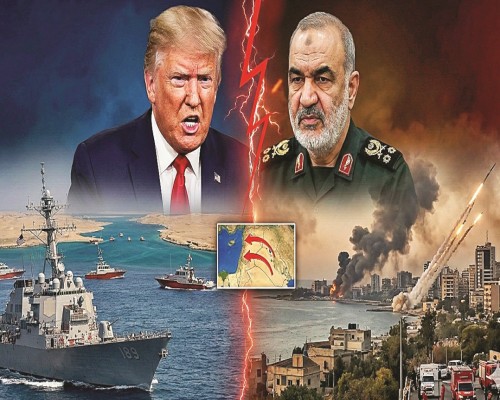
A temporary ceasefire lasting two weeks has been agreed upon between Israel and Iran, marking a significant pause in escalating hostilities that had raised global concerns. The development comes after sustained diplomatic efforts, with indications that international pressure played a role in bringing both sides to the negotiating table.
The agreement reportedly followed strong intervention and persuasion at the highest political levels, with both nations signaling conditional acceptance of the ceasefire terms. While the truce offers a momentary halt to direct confrontation, both sides have claimed strategic success, reflecting the fragile and contested nature of the agreement.
Key Conditions and Expectations
The ceasefire framework includes several critical conditions aimed at stabilizing the situation:
- A halt to direct military engagement between Israel and Iran
- Suspension of nuclear-related escalation activities by Iran
- De-escalation of aggressive military posturing by all parties
- Continued monitoring of developments by international stakeholders
- Efforts to address humanitarian concerns arising from recent violence
Despite the agreement, underlying tensions remain unresolved, and the ceasefire is being viewed as a temporary measure rather than a long-term solution.
Global Impact: Oil Prices and Financial Markets
The announcement of the ceasefire has had an immediate impact on global markets. Oil prices, which had surged amid fears of prolonged conflict in the region, witnessed a notable decline, falling below the $100 per barrel mark. This drop reflects reduced concerns over supply disruptions in a region critical to global energy production.
Equity markets responded positively as well, with major indices showing upward movement following the news. Investor sentiment improved due to the perceived reduction in geopolitical risk, although analysts caution that volatility may persist if the ceasefire breaks down.
Claims of Victory and Strategic Messaging
Both Israel and Iran have publicly framed the ceasefire as a strategic win. Officials from each side have highlighted their respective military and diplomatic achievements, reinforcing domestic narratives of strength and resilience. However, experts suggest that such claims may complicate future negotiations, as both nations seek to maintain their positions of advantage.
Statements from international observers indicate that while the ceasefire is a welcome step, it does not address the deeper geopolitical and ideological divides driving the conflict.
Humanitarian and Regional Concerns
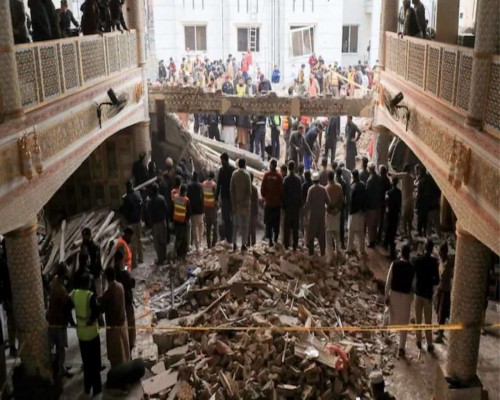
The recent escalation has resulted in significant casualties and damage, particularly in Lebanon and surrounding areas. Reports indicate that over 250 individuals lost their lives during Israeli military operations, raising concerns about the broader humanitarian impact.
The situation has also intensified fears of regional instability, with neighboring countries closely monitoring developments. The presence of non-state actors and proxy groups further complicates the security landscape, increasing the risk of renewed hostilities.
Uncertain Future
While the ceasefire has provided immediate relief to the international community, questions remain about its durability. Diplomatic channels continue to remain active, but the absence of a comprehensive peace framework suggests that tensions could resurface.
Observers emphasize that sustained peace will require deeper engagement, trust-building measures, and a commitment to addressing the root causes of conflict. Until then, the current ceasefire stands as a temporary pause in an otherwise volatile geopolitical environment.