
G7 Leaders Call for United Global Fight Against Cancer
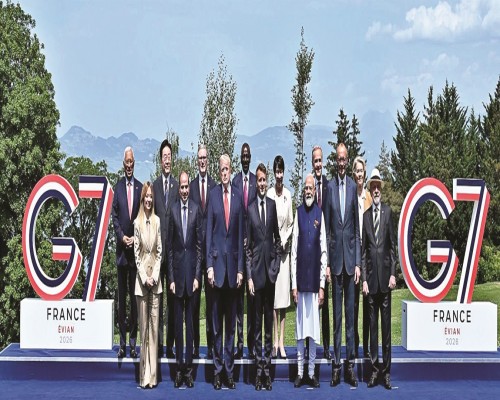
G7 leaders have called for a coordinated international campaign against cancer, warning that cancer cases across the world may rise sharply in the coming decades. The leaders emphasized that stronger cooperation, wider access to treatment, scientific collaboration and data sharing will be essential to reduce cancer-related deaths and improve the quality of life of patients.
At a recent G7 summit, the leaders of the world’s major advanced economies, including India as a participating country, renewed their commitment to fight cancer collectively. They underlined that cancer remains one of the greatest challenges before the global health sector and that millions of lives can be saved only through timely diagnosis, affordable treatment, research, innovation and awareness.
According to the report, international health assessments have warned that cancer cases may increase by nearly 80 per cent by 2050. The rise is being linked to ageing populations, lifestyle-related risks, pollution, delayed diagnosis and unequal access to healthcare facilities. Leaders expressed concern that the burden of cancer will particularly affect developing and low-income countries if urgent steps are not taken.
The G7 leaders said that cancer should not be treated only as a national health issue, but as a shared global challenge. They stressed the need to make modern medical technology, cancer screening, medicines, vaccines, palliative care and advanced therapies more accessible and affordable for all sections of society.
Cancer Research Data to Be Shared
A key part of the proposed global initiative is the sharing of cancer-related research data among countries. Leaders agreed that research institutions, hospitals, laboratories and technology platforms should work together so that treatment methods, clinical findings and scientific progress can be used for the benefit of patients across the world.
The initiative is expected to promote the exchange of data related to cancer research, patient care, genetic studies, early diagnosis and treatment outcomes. The objective is to help doctors and researchers identify patterns, develop better therapies and make cancer treatment more effective.
Prime Minister Narendra Modi, along with leaders from other countries, took part in discussions on global health priorities. The report highlighted that India’s participation is important because of its large population and the growing need for affordable cancer care, especially in rural and semi-urban regions.
The leaders also highlighted the importance of strengthening healthcare infrastructure, expanding screening programmes and encouraging innovation in the field of cancer treatment. They said that better cooperation between governments, private institutions and scientific communities can help accelerate the fight against cancer.
Japan Raises Concerns Over Indo-Pacific and China
During the G7 summit, Japan also raised issues related to the Indo-Pacific region and challenges linked to China. Japanese Prime Minister Shigeru Ishiba reportedly urged G7 countries to focus on peace and security in the Indo-Pacific region.
Japan underlined that matters such as maritime security, freedom of navigation, regional stability, economic resilience and strategic challenges in the Indo-Pacific must remain part of the G7 agenda. The report stated that Japan also discussed concerns related to China’s growing influence and activities in the region.
Japan said that G7 countries should work together to protect a free, open and rules-based international order. The country emphasized that cooperation among like-minded nations is necessary to address security, economic and strategic challenges in the Indo-Pacific.
The summit reflected a wider understanding among global leaders that health security, regional stability and international cooperation are closely connected. Along with the call for a united fight against cancer, the discussions also focused on strengthening partnerships to address major global challenges affecting people across countries.