
Japan Lifts Longstanding Defence Export Restrictions, Opening New Avenues for Strategic Cooperation with India
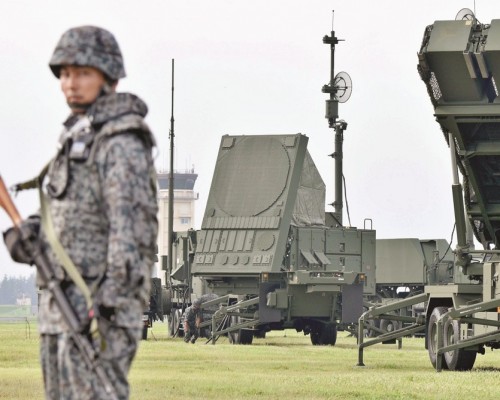
A significant shift in Asia’s strategic landscape has emerged with Japan’s decision to ease its decades-old restrictions on defence exports. The move, which effectively relaxes policies that had been in place for nearly 60 years, is expected to enhance military and technological cooperation between Japan and its global partners, particularly India.
The policy revision marks a departure from Japan’s traditionally cautious stance on defence exports, reflecting changing geopolitical realities and the growing need for collaborative security frameworks. By introducing a more flexible and comprehensive export regime, Japan has signaled its intent to play a more proactive role in global defence partnerships.
Implications for India-Japan Relations
The decision is likely to have a direct and positive impact on India-Japan defence ties. Analysts believe that the easing of restrictions will accelerate the transfer of advanced military technologies and foster deeper collaboration in high-end defence manufacturing.
Previously, Japan’s export policy permitted only limited sharing of equipment related to non-combat areas such as research, rescue, transport, and surveillance. With the revised framework, Japan is now positioned to allow broader cooperation across a wider range of defence technologies.
This development is expected to strengthen ongoing bilateral initiatives and facilitate smoother execution of joint projects, which had earlier faced procedural and policy-related constraints.
Policy Reform and Strategic Rationale
Japanese leadership has indicated that the changes are part of a broader reassessment of national security strategy. The revised guidelines emphasize the importance of strengthening partnerships with like-minded countries to address emerging global security challenges.
The updated framework introduces refined principles and operational guidelines for defence exports, aligning them with contemporary security needs. Officials have highlighted that in the current international environment, no country can ensure its security in isolation, making strategic cooperation essential.
Expanding Areas of Collaboration
The policy shift opens new possibilities for India in critical defence sectors. Areas such as aero-engine technology and submarine systems are expected to see increased cooperation, offering India access to advanced capabilities that could significantly enhance its defence preparedness.
The move also provides momentum to ongoing discussions aimed at converting strategic dialogues into actionable partnerships. It is anticipated that existing agreements and negotiations between the two countries will now progress more efficiently under the revised policy framework.
Focus on Joint Production Initiatives
In recent years, India and Japan have demonstrated growing interest in joint defence production. Notably, discussions have taken place regarding the co-production of advanced communication systems, including the “Unicorn” radio antenna technology.
Additionally, India has previously integrated Japanese technology into its defence systems, such as the inclusion of components developed by Mitsubishi Electric in military aircraft. These examples underscore the potential for deeper industrial collaboration under the new policy regime.
A Transformational Step in Regional Security
Japan’s decision represents a transformative moment in its defence policy, aligning it more closely with evolving regional and global security dynamics. For India, the development offers a strategic opportunity to deepen defence cooperation with a technologically advanced partner.
As both nations continue to strengthen their bilateral ties, the easing of defence export restrictions is expected to serve as a catalyst for long-term collaboration, innovation, and enhanced security cooperation in the Indo-Pacific region.