
Mexico’s Tariff Hike Set to Impact One Billion Dollars in Car Exports
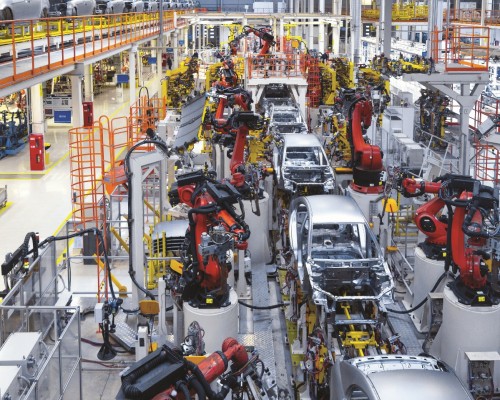
India’s automobile exports are expected to face significant disruption following Mexico’s decision to sharply increase import duties on vehicles and auto components arriving from several Asian countries, including India and China. Industry sources estimate that the move could affect nearly USD 1 billion worth of Indian car exports, with major manufacturers such as Maruti Suzuki, Hyundai, Nissan, and Volkswagen likely to be among the most impacted.
Mexico has announced an increase in import tariffs from 20 percent to 50 percent on automobiles and related products sourced from selected countries. The policy has been introduced under the stated objective of protecting domestic manufacturing and employment. According to the Mexican government, low-cost imports from countries such as India and China were undermining the competitiveness of local industries, prompting the need for higher trade barriers.
Industry representatives in India warn that the tariff hike will directly affect exports of compact cars and low-engine-capacity vehicles, a segment in which Indian manufacturers hold a strong position. Mexico is one of India’s most important overseas automobile markets, particularly for small cars with engine capacities below one litre, making the impact of the new duty structure substantial.
Data cited in the report shows that in the 2024–25 financial year, India exported goods worth USD 5.3 billion to Mexico, with automobiles accounting for approximately USD 1 billion of this total. Among Indian automakers, Hyundai exported around USD 200 million, Nissan approximately USD 400 million, and Maruti Suzuki about USD 120 million worth of vehicles to Mexico during the period. Volkswagen’s Indian operations also maintain a notable export presence in the Mexican market.
The automotive industry, which relies heavily on exports to maintain production volumes, cost efficiency, and profitability, may now be forced to reassess its strategies. Analysts note that the tariff hike could erode price competitiveness in Mexico, leading to reduced demand for Indian vehicles and potentially shifting consumer preference toward locally manufactured or lower-tariff alternatives.
The article also points out that the Mexican policy change could have broader implications for India’s position in global manufacturing. Mexico’s move is being interpreted not only as a protective measure but also as part of a wider effort to recalibrate supply chains and reduce dependence on low-cost imports from Asia. This may weaken India’s emerging role as an alternative manufacturing hub to China in certain global markets.
Industry bodies have raised concerns with the Indian government regarding the long-term impact of the tariff hike. The Society of Indian Automobile Manufacturers (SIAM) had earlier urged authorities to engage diplomatically with Mexico to prevent such trade barriers. The article notes that the industry had cautioned that any sharp increase in duties would severely affect India’s automobile exports and undermine hard-earned market access.
Despite the challenges, some experts argue that the development may push Indian manufacturers to diversify export destinations and explore new markets. However, they also warn that replacing a major market such as Mexico—India’s third-largest car export destination after South Africa and Saudi Arabia—will not be easy.
The report concludes that Mexico’s tariff decision marks a critical moment for India’s automobile export strategy. With a significant portion of overseas sales now at risk, policymakers and industry leaders will need to reassess trade negotiations, supply-chain planning, and market diversification to safeguard India’s position in the global automotive sector.