
Pakistan Acknowledges Allowing Iranian Aircraft Access During Gulf War, Raising Questions Over Its Neutrality Claims
Pakistan has acknowledged that it permitted Iranian aircraft to use its airspace and strategic military facilities during the Gulf War, a revelation that has reignited debate over Islamabad’s role in regional conflicts and its longstanding claims of neutrality. The disclosure has also drawn renewed attention to Pakistan’s balancing act between competing geopolitical interests and its relationships with major global powers.
The issue came into focus following reports that Pakistani authorities had quietly allowed Iranian military aircraft access to Pakistani air facilities during a period of heightened tensions in the Gulf region. According to international media reports, the arrangement was intended to facilitate the movement and protection of Iranian aircraft amid military operations involving the United States and its allies.
The reports suggested that several Iranian Air Force aircraft, including reconnaissance and transport platforms, were moved to Pakistani airbases during the conflict. The move reportedly helped shield some Iranian assets from potential military threats at a time when the regional security environment was highly volatile.
Pakistan’s Foreign Ministry subsequently addressed the issue, acknowledging that Iranian and American aircraft had, at different times, utilized Pakistani airspace and airport facilities. Officials maintained that such access was linked to diplomatic, administrative and humanitarian requirements rather than direct military cooperation.
The clarification, however, has done little to silence questions regarding Pakistan’s foreign policy approach. Critics argue that facilitating access for rival powers simultaneously raises concerns about transparency and the consistency of Pakistan’s stated position of neutrality during international conflicts.
India Questions Pakistan’s Credibility
The developments have also prompted strong reactions in India. Indian officials have argued that countries perceived as supporting or providing shelter to actors involved in regional instability should carefully consider the impact such actions have on their international reputation and credibility.
The remarks came amid broader discussions concerning regional security, terrorism and strategic partnerships. Indian policymakers have repeatedly emphasized that nations seeking global trust and investment must demonstrate a clear commitment to combating terrorism and maintaining transparency in their international engagements.
The debate intensified after reports emerged suggesting that Pakistan may have received technical or logistical assistance from foreign partners during recent military operations. Analysts note that such reports, whether fully substantiated or not, contribute to an increasingly complex picture of strategic cooperation across Asia.
Chinese Technology and Regional Security Concerns
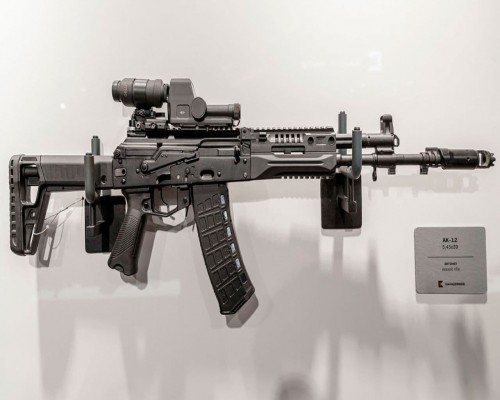
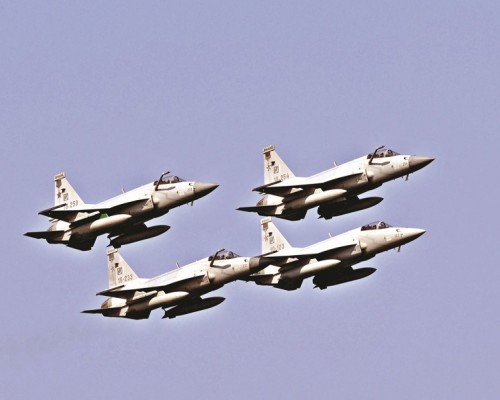
Adding another dimension to the discussion, attention has turned to the role of Chinese defence technology in Pakistan’s military capabilities. Reports citing interviews with aerospace experts have indicated that some aircraft operated by Pakistan incorporate Chinese-designed systems and components.
Security analysts believe that growing military cooperation between China and Pakistan continues to influence the strategic balance in South Asia. The relationship has become a focal point for policymakers seeking to understand the evolving dynamics of regional defence partnerships and technological transfers.
Growing Scrutiny in the United States
The revelations have also generated discussion in the United States, where policymakers and strategic observers have increasingly examined Pakistan’s role in regional security matters. Some American commentators have questioned whether Islamabad has consistently shared information related to sensitive geopolitical developments involving Washington and Tehran.
Several analysts have argued that Pakistan’s efforts to maintain relationships with multiple competing powers can create uncertainty regarding its long-term strategic priorities. Others contend that Islamabad’s geographic position and regional influence often compel it to engage with a diverse range of international actors.
A Continuing Debate Over Strategic Neutrality
Pakistan has repeatedly maintained that its actions were not connected to any military campaign and that access provided to foreign aircraft was conducted in accordance with diplomatic norms and established procedures. Officials have stressed that the country sought to maintain balanced relations with all parties while avoiding direct involvement in regional conflicts.
Nevertheless, the disclosures have revived longstanding questions about how nations positioned at the crossroads of major geopolitical rivalries manage competing interests. For Pakistan, the debate underscores the challenges of preserving strategic flexibility while maintaining credibility among international partners.
As regional tensions continue to shape global diplomacy, the episode serves as a reminder that decisions regarding military access, airspace usage and diplomatic cooperation can have lasting implications for a nation’s image, foreign policy standing and strategic relationships.