
Political Turmoil Escalates in Nepal as Oli Resigns Amid Nationwide Protests
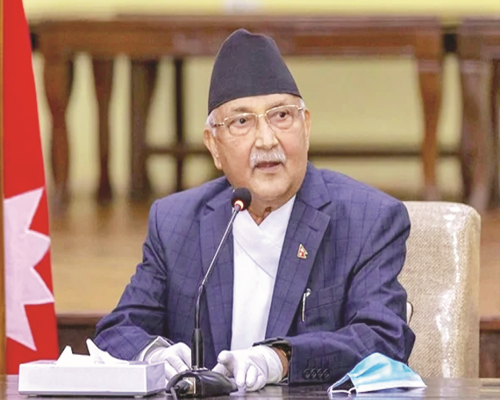
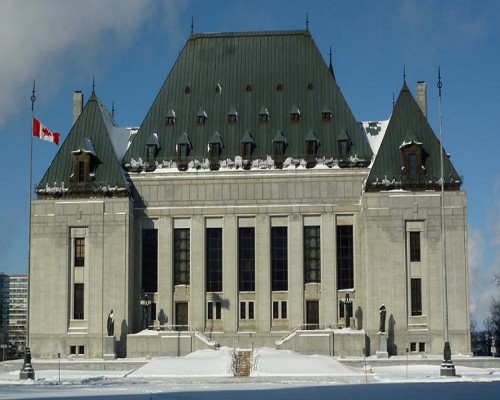
Nepal is witnessing one of the most severe political and social crises in its recent history, with violent protests erupting across the country and Prime Minister K.P. Sharma Oli stepping down under mounting public pressure. Demonstrators, angered by government policies and alleged mismanagement, have stormed key state institutions, including the Parliament, the Presidential Palace, and the Supreme Court, intensifying the unrest that has gripped the Himalayan nation.
The situation deteriorated rapidly as protesters clashed with security forces, set government buildings ablaze, and vandalised the residences of several political leaders. Among the properties attacked were those of former Prime Ministers Pushpa Kamal Dahal 'Prachanda' and Madhav Kumar Nepal, as well as former ministers Baburam Bhattarai, Gokul Baskota, and others. Reports also confirmed assaults on Finance Minister Bishnu Paudel and several cabinet members during the chaos.
Protests Spiral into Widespread Violence
The unrest has spread to major cities, where government offices, media houses, political party headquarters, and banks have been targeted. Protesters looted several financial institutions and set fire to vehicles and public infrastructure, forcing authorities to impose emergency security measures in multiple regions.
Demonstrators have issued a series of demands, including the formation of a new government, constitutional reforms to guarantee greater civil liberties, and the dissolution of political structures they deem corrupt and ineffective. Many protest leaders accuse the Oli administration of failing to address economic hardships, rising unemployment, and alleged authoritarianism.
Political Fallout and Institutional Breakdown
Oli’s resignation marks a significant turning point in Nepal’s ongoing political instability. His government, once hailed for bringing constitutional reforms and attempting to stabilise governance, faced mounting criticism over its handling of the economy, corruption allegations, and perceived attempts to centralise power.
The crisis has deeply shaken public confidence in Nepal’s democratic institutions. Analysts warn that the resignation alone may not quell the unrest, as protesters continue to demand sweeping political and systemic changes. The political vacuum has also intensified competition among major parties, raising concerns over prolonged instability and potential foreign interference.
Regional and International Responses
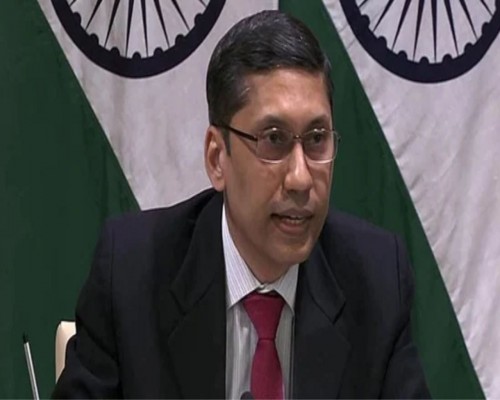
The situation has drawn significant attention from neighbouring countries and the international community. India, a key partner and close neighbour, has called for restraint, dialogue, and peaceful resolution of the crisis. New Delhi urged all political factions in Nepal to work collectively towards restoring order and ensuring the democratic process remains intact.
Observers believe that Nepal’s internal turmoil could have broader geopolitical implications, particularly in the context of regional security and cross-border trade. As protests show no signs of abating, diplomatic efforts are likely to intensify in the coming weeks to help the country navigate its way out of the crisis.