
The Growing Crisis of Contaminated Drinking Water
By- Satendra Singh
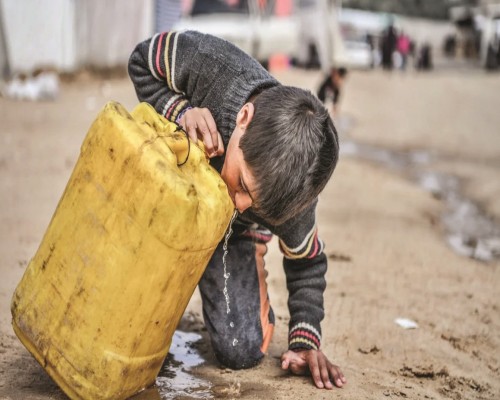
Reports of people falling ill due to contaminated drinking water continue to raise serious concerns about public health and administrative preparedness. Recently, after the incident in Baghpat’sBhagirathpur where contaminated water reportedly caused the deaths of more than 25 people, another alarming case has surfaced in Mau district of Uttar Pradesh, where around 30 individuals have fallen ill due to polluted drinking water. The situation highlights the urgent need for stronger monitoring systems and preventive measures to ensure the safety of drinking water supplies.
The recurrence of such incidents suggests that local administrations often fail to learn from previous tragedies. In the case of Bhagirathpur, authorities claimed that strict vigilance had been put in place to prevent a repeat of the situation. Officials even stated that the supply of contaminated water had been stopped across several areas. However, the developments in Mau indicate that those assurances may not have been effectively implemented on the ground.
Contaminated drinking water is not merely an isolated local issue but a broader public health challenge that affects multiple cities across the country. Concerns about water quality frequently arise in urban as well as rural regions, yet these concerns often receive serious attention only after illnesses or deaths are reported. In many cases, administrative responses appear reactive rather than preventive.
India has long struggled with the challenge of maintaining safe drinking water infrastructure. Urbanization, aging pipelines, contamination of groundwater, and inadequate treatment facilities contribute to the problem. Reports from policy and research bodies have repeatedly indicated that a significant portion of the country’s water sources are polluted. According to various studies, a large percentage of surface and groundwater sources are contaminated, posing risks to millions of people who rely on them for daily consumption.
Another troubling aspect is the lack of accountability in many municipal systems responsible for water supply. Citizens often complain about the quality of drinking water distributed through pipelines, but such complaints rarely lead to immediate corrective action. In several cities, local representatives and water department officials have been accused of ignoring repeated warnings about contamination.
Experts point out that poor water quality can result in severe health consequences, including gastrointestinal diseases, infections, and long-term health complications. In vulnerable communities where people rely entirely on municipal supply or local sources, contaminated water can quickly turn into a widespread health emergency.
The recurring incidents underscore the need for systematic reforms. Authorities must ensure regular testing of drinking water, transparent reporting of water quality data, and rapid response mechanisms in case contamination is detected. Modern water treatment technologies, improved pipeline infrastructure, and stronger monitoring frameworks are essential to prevent such crises.
Ultimately, access to safe drinking water is a basic public right and a critical component of public health. Policymakers and administrators must recognize that development cannot be considered complete unless citizens are assured of clean and safe water for daily use. The recent incidents serve as a reminder that addressing water quality issues must remain a top priority for governments at every level.