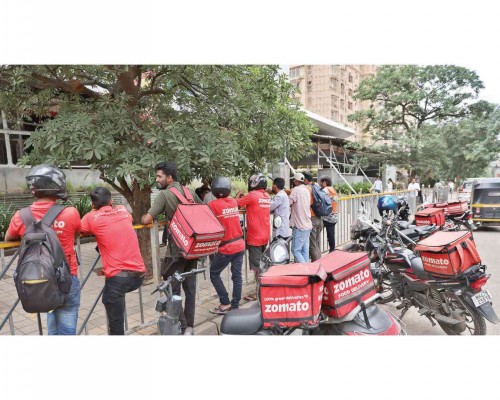

The Tariff Shock Also Offers Lessons for India
By Shankar Aiyar (Journalist)
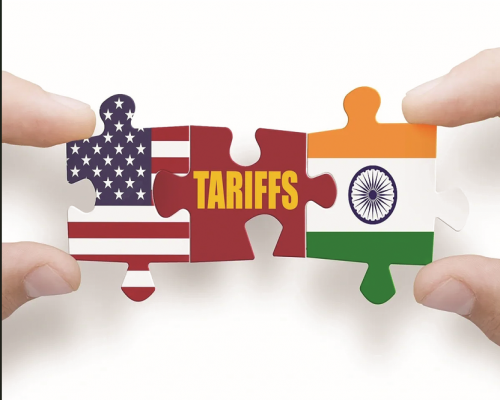
The recent decision by U.S. President Donald Trump to raise tariffs on Indian goods from 25% to 50% is undoubtedly a significant blow to India’s exporters, but experts argue it also presents important lessons for the country’s long-term economic strategy.
The move has sparked concerns across industries, with particular anxiety in sectors like textiles, gems and jewellery, engineering goods, and chemicals — all of which are heavily dependent on the U.S. market. Yet, economic analysts suggest that this episode underscores the urgency of diversifying India’s export destinations and reducing overreliance on any single country.
A Reminder from History
India has faced similar economic shocks before. In 1991, a severe balance-of-payments crisis forced the country to liberalise its economy, leading to decades of growth. Economists believe that today’s tariff challenge, while painful in the short term, could serve as a catalyst for policy reforms and strategic shifts that make India’s trade and industry more resilient.
Need for Structural Reforms
Experts point out that the tariff hike should push India to improve ease of doing business, invest in infrastructure, and enhance competitiveness in manufacturing. They also stress the need to expand into untapped markets in Africa, Latin America, and Southeast Asia, while leveraging trade agreements to secure lower duties for Indian products abroad.
Impact on the Economy
The immediate consequence of the U.S. move could be a reduction in India’s exports by $35–40 billion annually, along with a potential 0.4% dip in GDP growth. However, analysts emphasise that if India responds with the right mix of policy measures, innovation, and market expansion, the long-term benefits could outweigh the short-term setbacks.
Turning Crisis into Opportunity
According to trade strategists, this moment calls for a proactive approach — identifying sectors with high growth potential, incentivising value-added production, and fostering global competitiveness. The goal should be to ensure that India not only weathers the current trade storm but emerges stronger, more self-reliant, and less vulnerable to future external shocks.