
Trump-Xi Talks Signal Diplomatic Reset Amid Trade Disputes and Global Challenges
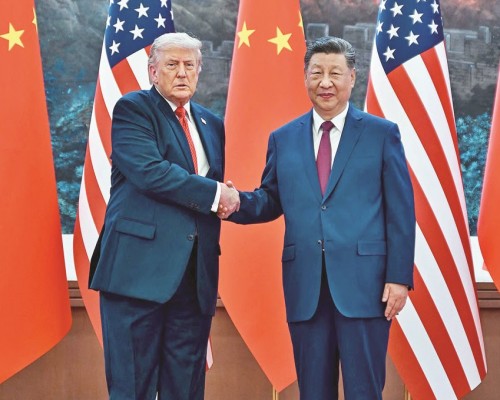
A high-profile meeting between United States President Donald Trump and Chinese President Xi Jinping has marked a significant effort by the world’s two largest economies to stabilize bilateral relations despite continuing disagreements over trade, technology, security, and geopolitical issues. The discussions, held after several years without a formal summit between the two leaders, have been widely viewed as an attempt to restore communication and prevent further deterioration in one of the world’s most consequential relationships.
The meeting took place against a backdrop of persistent tensions between Washington and Beijing. Trade tariffs, restrictions on advanced technology, supply chain competition, and differing strategic interests in the Indo-Pacific region have strained relations between the two nations in recent years. Nevertheless, both leaders emphasized the importance of maintaining dialogue and managing differences through diplomatic engagement.
President Trump described the summit as a major step toward strengthening communication between the two countries, highlighting the importance of cooperation between the United States and China for global economic stability. President Xi similarly stressed that while differences may exist, both nations should continue working together to ensure peace, prosperity, and sustainable development.
Trade Disputes Remain a Key Challenge
One of the central issues discussed during the summit was the ongoing trade dispute between the two countries. Tariffs imposed by both sides over the past several years have affected billions of dollars in trade and have had significant implications for global supply chains and international markets.
While no comprehensive agreement was announced, both leaders indicated a willingness to continue negotiations and seek solutions that could reduce economic uncertainty. Business leaders and investors worldwide closely monitored the discussions, as any improvement in U.S.-China relations could have far-reaching consequences for global commerce and economic growth.
Analysts noted that the willingness of both sides to maintain dialogue represents a positive development, even if major policy differences remain unresolved.
Taiwan Emerges as a Major Strategic Issue
The Taiwan question once again emerged as one of the most sensitive topics in bilateral discussions. China reiterated its long-standing position that Taiwan remains a core national interest and a critical issue affecting regional security and sovereignty.
Chinese officials reportedly expressed concerns regarding American policies toward Taiwan, while the United States emphasized the importance of maintaining peace and stability across the Taiwan Strait. Experts continue to regard Taiwan as one of the most significant flashpoints in U.S.-China relations, with developments in the region closely watched by governments around the world.
Both sides acknowledged the need to manage tensions responsibly and avoid actions that could escalate regional instability.
Cooperation on Global Security and Economic Stability
Despite strategic rivalries, the meeting highlighted several areas where cooperation remains essential. Climate change, global economic recovery, public health challenges, supply chain resilience, and international security were among the issues discussed during the talks.
Observers noted that collaboration between the United States and China is often crucial in addressing global challenges, given the scale of their economies and influence within international institutions.
The summit also underscored the broader importance of maintaining open communication channels between major powers at a time when geopolitical uncertainties continue to affect international markets and security environments.
BRICS Summit Highlights Growing Multipolar World
The diplomatic developments surrounding the U.S.-China summit coincided with discussions at international forums, including BRICS, where leaders from emerging economies emphasized the need for greater cooperation, balanced global governance, and equitable economic development.
India used the occasion to reiterate its support for multilateralism, inclusive growth, and international cooperation. Indian representatives highlighted the importance of addressing global conflicts through dialogue while advocating reforms that reflect the aspirations of developing nations.
During diplomatic engagements on the sidelines of international meetings, India also strengthened its outreach with several partner countries, reaffirming its commitment to constructive engagement on regional and global issues.
Global Reactions and Public Attention
The meeting attracted significant international attention, not only for its geopolitical implications but also for the public interest surrounding the personal dynamics between the two leaders. Social media platforms and international media outlets closely followed the summit, generating extensive discussion about the future direction of U.S.-China relations.
Business executives, investors, policymakers, and strategic analysts have largely welcomed the resumption of high-level dialogue, viewing it as an important step toward reducing uncertainty in global affairs. However, experts caution that deep-rooted disagreements on trade, technology, security, and regional influence are unlikely to disappear quickly.