
Bharat Rang Mahotsav 2026 Takes Indian Theatre to the World Stage
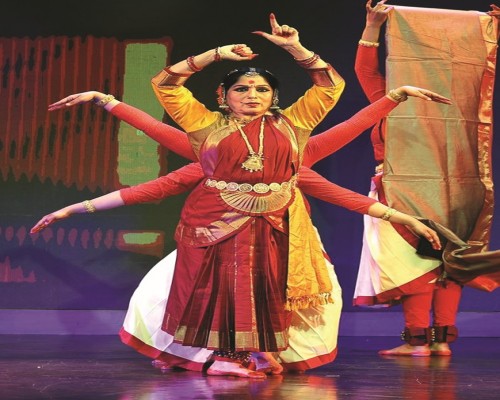
The global theatre community witnessed an extraordinary celebration of dramatic arts with the staging of Bharat Rang Mahotsav 2026, the flagship international theatre festival organized by the National School of Drama. Recognized as one of the world’s largest theatre festivals, the event marked its 25th edition with an ambitious and expansive format that brought together theatre artists, scholars, and cultural enthusiasts from India and across the globe.
The festival served as a powerful platform for cultural dialogue, presenting theatre as a universal language capable of bridging diverse cultures, traditions, and narratives. Through a wide range of performances, discussions, and cultural exchanges, the event celebrated the richness of India’s theatrical heritage while simultaneously showcasing contemporary international theatre.
A Landmark Edition of a Global Theatre Festival
The 2026 edition of Bharat Rang Mahotsav represented one of the most extensive editions in the festival’s history. The celebration unfolded over 25 days, featuring a diverse programme of performances and cultural events that reflected both classical traditions and modern theatrical experimentation.
During the festival, more than 277 theatre productions were staged in over 228 Indian and international languages, highlighting the linguistic and cultural diversity of theatre. The programme included performances from theatre groups representing every Indian state and union territory, as well as international companies from several countries.
Participation extended beyond national boundaries, with theatre artists from nine countries presenting their productions alongside Indian troupes. This international collaboration demonstrated the growing global recognition of Indian theatre as an influential and dynamic art form.
Performances Across India and the World
One of the defining features of this edition was its unprecedented geographical scale. Productions were staged in around 40 locations across India, allowing audiences from multiple regions to experience world-class theatre.
The festival also expanded its global reach by presenting theatre performances in several countries around the world. Indian plays were staged in nations such as Canada, New Zealand, England, Mauritius, Qatar, and Suriname, among others. In a remarkable cultural moment, performances were even held in extremely challenging environments, symbolizing the festival’s commitment to taking theatre to every corner of the globe.
This international outreach underscored the festival’s ambition to promote Indian theatre on a global platform while encouraging cross-cultural artistic exchange.
A Platform for Diverse Theatre Traditions
Bharat Rang Mahotsav is known for presenting a broad spectrum of theatrical forms. The festival featured productions inspired by classical literature, contemporary social themes, experimental theatre, and folk traditions.
The programme included genres ranging from comedy and satire to tragedy and realism, reflecting the vast possibilities of theatrical storytelling. Folk performance traditions such as Nautanki and other regional theatre styles also formed part of the festival, ensuring that traditional forms received recognition alongside modern stagecraft.
In addition to full-length plays, the festival hosted several curated thematic events that highlighted specialized forms of performance. These included festivals dedicated to tribal theatre, children’s theatre, puppet theatre, dance drama, and classical Sanskrit plays.
Such initiatives demonstrated the organisers’ commitment to preserving India’s cultural heritage while fostering innovation in contemporary theatre.
Celebrating 25 Years of Cultural Legacy
The 2026 edition also carried symbolic importance as it marked 25 years of Bharat Rang Mahotsav, a milestone in India’s theatrical journey. Since its inception in 1999, the festival has evolved into a major cultural institution that brings together artists, scholars, and audiences from across the world.
Over the years, the festival has played a significant role in revitalizing interest in theatre, nurturing emerging talent, and providing a stage for experimental and regional theatre forms. Its continued growth reflects the resilience and relevance of theatre in the modern cultural landscape.
A Cultural Dialogue Through Theatre
Beyond performances, the festival also served as a platform for intellectual exchange. Workshops, seminars, and masterclasses allowed theatre professionals to discuss artistic techniques, cultural narratives, and the evolving role of theatre in society.
These interactions encouraged collaboration between Indian and international artists, strengthening global networks within the theatre community. For students and young performers, the festival offered valuable exposure to diverse theatrical traditions and production styles.
Theatre as a Global Cultural Bridge
The widespread participation in Bharat Rang Mahotsav 2026 highlighted the enduring power of theatre as a medium of cultural dialogue. Through powerful narratives, compelling performances, and artistic innovation, the festival demonstrated how stagecraft can transcend language and geography.
The global presence of the festival also reflected India’s growing cultural influence. By bringing together artists from different countries and traditions, Bharat Rang Mahotsav reinforced the idea that theatre remains a vibrant and evolving art form capable of addressing universal human experiences.
The Future of Indian Theatre
The success of Bharat Rang Mahotsav 2026 signals a promising future for theatre in India and beyond. With its expanding international presence, the festival continues to strengthen India’s reputation as a global hub for performing arts.
By celebrating traditional forms while encouraging modern experimentation, Bharat Rang Mahotsav ensures that theatre remains relevant for contemporary audiences. As the festival moves forward, it is expected to continue fostering creativity, cultural dialogue, and artistic collaboration on an international scale.