
Bringing Natya Shastra to Classrooms: A Cultural Step Towards Holistic Education
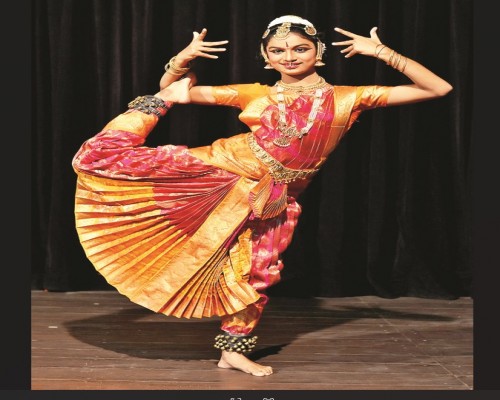
With UNESCO recognizing "Kumbh Mela" and "Natyashastra" as part of the world's intangible cultural heritage, experts and cultural thinkers are now advocating for the integration of Bharat’s ancient performing arts science — the Natya Shastra — into school curriculums. The aim is to instill cultural awareness, emotional intelligence, and creative expression among students from a young age.
Noted thinker and writer Krushnashant Vyas suggests that the Natya Shastra, penned by Bharat Muni, is not merely a manual for dance or drama but a comprehensive treatise that embodies India’s civilizational values, history, and holistic worldview. Comprising 37 chapters and 6,000 Sanskrit verses, the Natya Shastra covers topics ranging from emotions (rasa), gestures (mudra), stage design, storytelling, music, to audience psychology and moral lessons.
Unlike modern Western education models which often separate intellect from emotion and focus on utilitarian outcomes, the Natya Shastra harmonizes physical, mental, emotional, and spiritual development. It bridges the gap between knowledge and wisdom, art and science, performance and philosophy.
Experts argue that incorporating Natya Shastra into the national education framework, especially at the school level, could help preserve India’s vast intangible heritage and foster values like discipline, teamwork, sensitivity, and self-expression. More importantly, it could provide students a grounding in Indian traditions amid the growing cultural disconnect in the digital age.
As part of the new education policy and the broader effort to revive Indian knowledge systems, this move is seen not just as a cultural revival but as an educational reform aimed at shaping a more rooted, creative, and culturally aware generation.