
Improper Disposal of Medical Waste Fueling Spread of Harmful Bacteria, Experts Raise Alarm
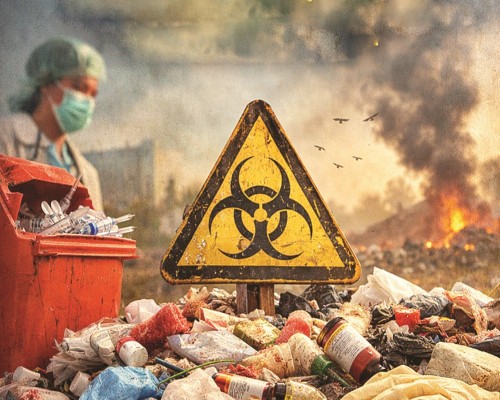
Improper management and disposal of biomedical waste from hospitals are contributing to the emergence and spread of harmful, drug-resistant bacteria, posing a serious threat to public health and the environment. Experts have warned that lapses in segregation, treatment, and disposal of medical waste are creating conditions that allow dangerous pathogens to survive and multiply.
According to official estimates, nearly 700 tonnes of biomedical waste are generated daily across the country. Of this, a significant portion is not treated or disposed of in strict compliance with prescribed norms. Environmental and health specialists caution that untreated or poorly managed medical waste—such as used syringes, contaminated dressings, blood-soaked materials, and expired medicines—can become a breeding ground for bacteria that are resistant to antibiotics.
Medical professionals emphasize that antibiotic-resistant bacteria are not confined to hospitals alone. When biomedical waste is dumped in open areas or improperly handled, these pathogens can enter soil and water systems, ultimately reaching humans through contaminated water, food chains, or direct contact.
Experts have linked the rise in antimicrobial resistance (AMR) to two major factors: overuse of antibiotics and improper waste disposal. Studies suggest that excessive antibiotic consumption in healthcare facilities contributes to the presence of resistant microbes in hospital waste. If such waste is not incinerated, treated, or scientifically managed, resistant strains can spread beyond clinical settings.
Recent observations indicate that several healthcare facilities are not fully compliant with biomedical waste management protocols. In some cases, segregation of waste at source—such as separating infectious waste from general waste—is not strictly followed. This not only increases the risk of infection for sanitation workers but also facilitates environmental contamination.
Authorities have reiterated that biomedical waste must be segregated into designated categories, stored securely, and transported to authorized treatment facilities. Incineration, autoclaving, and chemical disinfection are among the recommended methods to neutralize infectious material. However, gaps in monitoring and enforcement have allowed violations to persist.
Environmental health experts warn that if corrective measures are not urgently implemented, the accumulation of untreated biomedical waste could intensify the spread of antibiotic-resistant infections. These infections are harder to treat, require stronger medications, and significantly increase healthcare costs and mortality risks.
Public health officials have called for stricter audits of hospital waste management systems, regular inspections, and improved accountability. Training healthcare workers and sanitation staff in proper waste segregation and handling practices has also been identified as a critical step.
The growing volume of medical waste, coupled with inadequate disposal systems, underscores the need for coordinated action between healthcare institutions, regulatory bodies, and environmental agencies. Experts stress that effective biomedical waste management is essential not only to prevent environmental pollution but also to curb the silent and escalating threat of antimicrobial resistance.