
India Is Not a Shelter Home for the World’s Refugees: Supreme Court
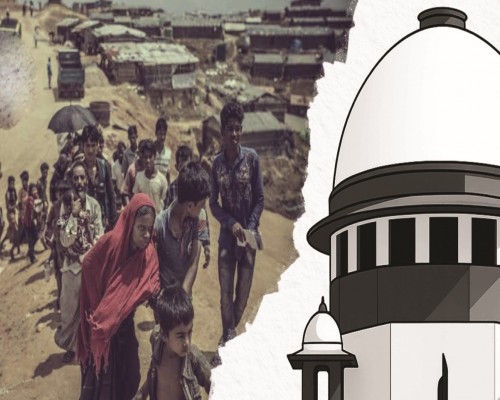
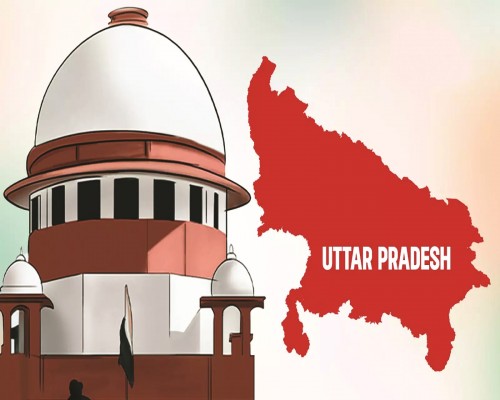
The Supreme Court of India, in a strong and clear message, stated that India cannot serve as a "Dharamshala" (shelter home) for refugees from across the globe. The Court dismissed a petition seeking to stop the deportation of Sri Lankan nationals who had been living illegally in Tamil Nadu after their visas expired.
The apex court asserted that no individual from any country has an absolute right to seek asylum in India, especially when they have no valid legal status. Justice Sanjay Kishan Kaul, heading the bench, stated that India has the sovereign right to decide whom to accept or reject on its soil.
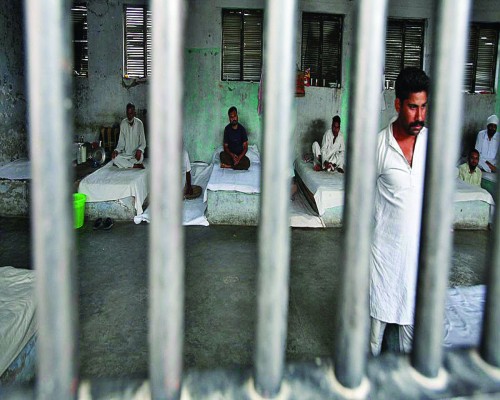
The bench also upheld the Tamil Nadu government's decision to deport a Sri Lankan family that had been living in India for over seven years without valid documents. The petitioners had asked the Court to halt the deportation process on humanitarian grounds, citing threats to their lives in Sri Lanka. However, the Court declined to intervene.
Key Court Observations:
- India has no constitutional or legal obligation to provide shelter to all foreign nationals who enter without legal authorization.
- Article 21 (right to life and personal liberty) of the Constitution cannot be extended to override national security and immigration controls.
- The right to live in India does not apply to foreign nationals whose visas have expired or who have entered illegally.
- Humanitarian concerns must be balanced with national interests, especially considering the burden on limited national resources.
The Court also reprimanded the petitioners, including some NGOs, for repeatedly filing pleas to stall deportations of Rohingya and Sri Lankan migrants despite earlier rejections.
This ruling reaffirms India’s sovereign right to manage its borders and decide who may reside within the country. It also sends a clear signal that the judiciary will not tolerate abuse of legal provisions to delay deportations of unauthorized migrants.