
‘Last-Resort’ Antibiotic Colistin Losing Effectiveness Against Deadly Bacteria, Study Warns
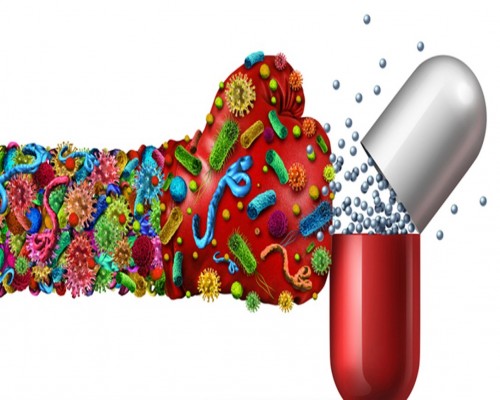
Health experts have raised serious concerns over the growing resistance of dangerous bacteria to colistin, an antibiotic often considered a last-resort treatment for severe infections. Researchers warn that the increasing ineffectiveness of this critical drug could pose major challenges in treating life-threatening bacterial infections in hospitals.
The findings emerged from a study conducted at the Institute of Medical Sciences (IMS), Banaras Hindu University (BHU), where researchers analyzed samples of Acinetobacter bacteria, a pathogen commonly associated with hospital-acquired infections. The study revealed that a significant number of these bacteria have developed resistance even to colistin, which is usually used when other antibiotics fail.
According to researchers, the bacteria showed resistance levels exceeding 0.6 percent, indicating that the drug is gradually losing its effectiveness. While the percentage may appear small, experts warn that even limited resistance to such a critical antibiotic can create serious public health concerns.
Acinetobacter bacteria are often found in hospital environments and can cause infections in patients with weakened immune systems. The pathogen is known to cause conditions such as pneumonia, sepsis, and wound infections, particularly among critically ill patients admitted to intensive care units.
The study examined more than 50 bacterial samples to evaluate their response to different antibiotics. Researchers found that in over 90 percent of cases, the bacteria showed resistance to multiple antibiotics, classifying them as multi-drug resistant organisms. This makes treatment significantly more difficult and increases the risk of complications.
Scientists also noted that the bacteria showed resistance not only to commonly used antibiotics but also to drugs such as cefepime, ciprofloxacin, amikacin, and piperacillin-tazobactam, which are widely used in treating severe infections. The emergence of resistance to colistin further narrows the treatment options available to doctors.
Experts believe that several factors contribute to the growing problem of antibiotic resistance. One major cause is the excessive or inappropriate use of antibiotics, particularly when patients consume these medications without proper medical supervision. Overuse of antibiotics in healthcare settings and agriculture has also been identified as a contributing factor.
Healthcare specialists emphasize the urgent need to implement antibiotic stewardship programs in hospitals to regulate the use of antimicrobial drugs. Such programs encourage doctors to prescribe antibiotics only when necessary and ensure that the correct medicines are used for the appropriate duration.
Medical experts also stress the importance of infection control measures in healthcare facilities. Hospitals must maintain strict hygiene standards, regularly sanitize equipment and surfaces, and follow proper hand hygiene practices to reduce the spread of resistant bacteria.
In addition to responsible antibiotic use, researchers recommend strengthening public awareness about the dangers of self-medication. Patients are advised not to take antibiotics without consulting qualified healthcare professionals and to complete the full course of prescribed medication.
The findings of the study have been published in an international medical journal, highlighting the global significance of the issue. Scientists warn that if antibiotic resistance continues to increase, treating common infections may become far more difficult in the future.
Experts emphasize that coordinated action involving healthcare providers, policymakers, and the public will be essential to combat the growing threat of antibiotic resistance and protect the effectiveness of life-saving medicines.