
Media Ban Orders Should Be Passed Only in Rare Cases: Supreme Court
Top Court overturns High Court’s restriction on reporting women’s exploitation case in a religious place
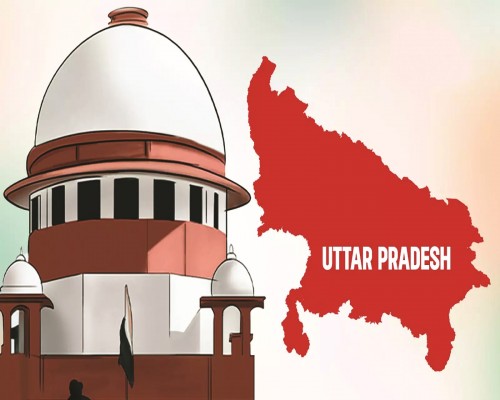
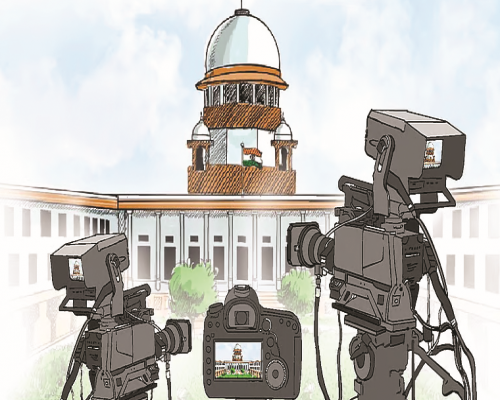
The Supreme Court of India on Friday ruled that imposing restrictions on media reporting should be done only in the rarest of rare cases. The judgment came while setting aside a High Court order that had barred media coverage of allegations of sexual exploitation of women in a religious establishment.
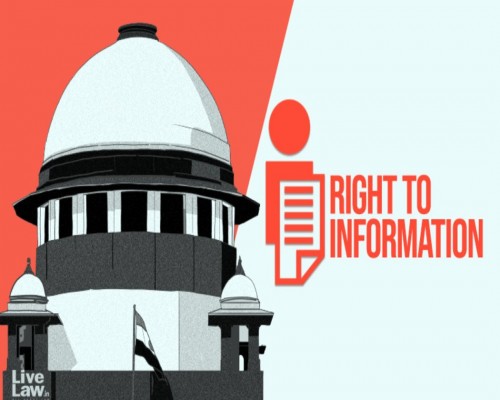
A bench of Justice BV Nagarathna and Justice Ujjal Bhuyan observed that free press is a fundamental aspect of democracy and any blanket ban on media coverage directly impacts the citizens’ right to information. The Court noted that while sensitivity in reporting must be ensured, prior restraint orders are extraordinary measures and cannot become the norm.
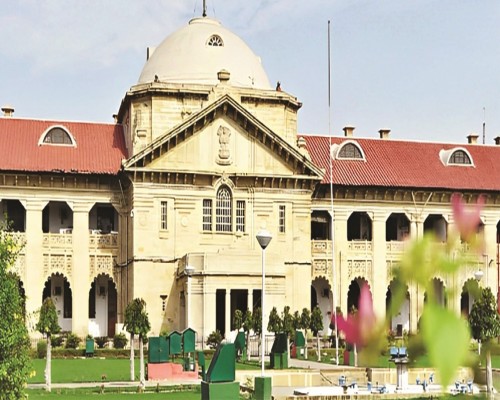
The order came after the High Court, in response to allegations raised by sanitation workers, had directed 390 media houses and platforms to remove news articles, YouTube links, and social media posts regarding the case. The Apex Court overturned this decision, stating that “transparency is the cornerstone of justice.”
Other Key Observations
- Husband Accused, Wife’s Travel Rights – In another case, the Supreme Court stayed a High Court order that had prevented a woman from traveling abroad simply because her husband was facing criminal charges. The Court said, “The sins of the husband cannot curtail the wife’s liberty.”
- ESIC Mediclaim Case – The Court also issued a notice to the Employees State Insurance Corporation (ESIC), seeking its response to a petition challenging the denial of medical claims to an insured employee.