
No Relaxation in Rules Merely on Grounds of Backward-Class Status: Supreme Court
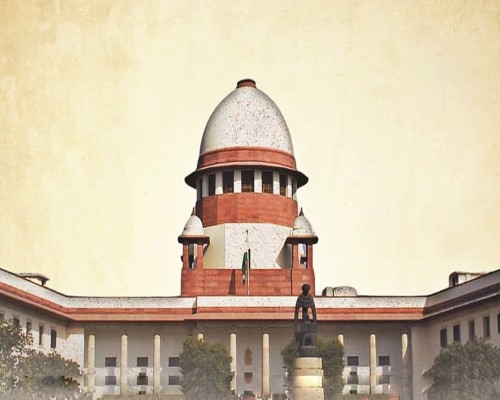
The Supreme Court has held that a candidate cannot claim relaxation from mandatory recruitment rules merely on the ground of belonging to a backward class. The court observed that compassion, sympathy, or social background cannot override the essential conditions prescribed for public employment.
The matter arose from a recruitment process in which a candidate was absent on the scheduled date of examination. The candidate sought another opportunity, stating that he belonged to a backward class and should therefore be given relief. The court rejected this argument and clarified that once recruitment rules prescribe a fixed procedure, all candidates must be treated equally under those rules.
The Supreme Court emphasized that public employment cannot be governed by personal hardship or individual circumstances unless the recruitment rules specifically provide for such relaxation. The court noted that giving a second opportunity to one candidate, when others followed the prescribed schedule, would amount to unfair treatment and would affect the fairness of the selection process.
The court further stated that reservation or social justice provisions are meant to provide representation and opportunity to disadvantaged communities, but they do not permit violation of mandatory procedural requirements. If a candidate fails to appear for an examination or comply with essential conditions, such failure cannot automatically be excused on the basis of caste or backward-class status.
The bench observed that recruitment processes must maintain discipline, certainty, and uniformity. Any deviation from the prescribed rules may create an unfair advantage for one candidate and prejudice others who complied with the process. The court said that sympathy cannot become the basis for altering recruitment norms in government appointments.
Referring to the facts of the case, the court noted that the candidate had remained absent on the scheduled examination date and later sought another chance. The authorities had declined the request, and the matter eventually reached the courts. While the High Court had granted relief to the candidate, the Supreme Court overturned that decision.
The Supreme Court held that the High Court should not have interfered with the recruitment process when the rules were clear and there was no provision for granting a fresh opportunity in such circumstances. It reiterated that courts must exercise caution in service matters and should not issue directions that disturb the equal treatment of candidates.
The judgment reinforces the principle that reservation benefits do not dilute the requirement of compliance with recruitment rules. Candidates belonging to reserved categories are entitled to the benefits available under law, but they must still fulfil the mandatory conditions applicable to the selection process.
The ruling is expected to guide future recruitment-related disputes, particularly where candidates seek relaxation after missing examinations, deadlines, or procedural requirements. It sends a clear message that fairness in public employment depends on strict adherence to rules and equal application of those rules to all candidates.