
Over 70% of Patients Unaware of Genetic Disorder Causing High Cholesterol, Study Finds
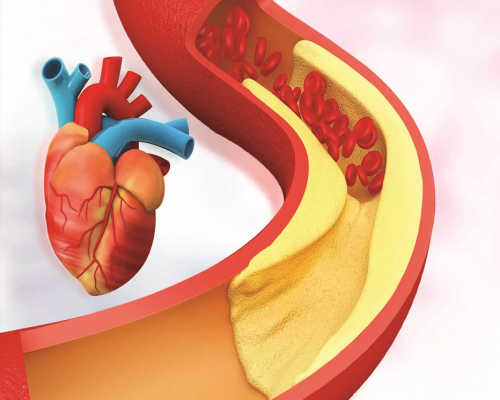
A recent report has revealed that more than 70% of people suffering from a genetic condition that leads to dangerously high cholesterol levels remain unaware of their illness — significantly increasing their risk of heart disease and stroke.
The condition, known as Familial Hypercholesterolemia (FH), is an inherited disorder that causes extremely high levels of low-density lipoprotein (LDL) cholesterol, often referred to as “bad cholesterol.” This buildup can lead to premature atherosclerosis, increasing the risk of heart attacks and other cardiovascular diseases at an early age.
According to the report, approximately 1 in 250 people worldwide is affected by FH. Despite this, the majority of patients remain undiagnosed and untreated due to a lack of awareness and screening. Left unchecked, the condition can lead to cholesterol levels that are twice as high as normal, significantly elevating the risk of heart disease, heart failure, and premature death.
Risk and Treatment
Experts warn that undiagnosed FH can turn into a major public health concern. Lifestyle modifications such as a balanced diet, regular exercise, and avoiding smoking can help manage cholesterol levels. In more severe cases, cholesterol-lowering medications, genetic testing, and regular health screenings are essential for effective treatment.
India Facing a Growing Risk
The Indian Heart Journal and the Indian Council of Medical Research (ICMR) have reported a rapid rise in cardiovascular diseases in India, with FH being one of the major contributing factors. Early diagnosis and intervention are key, as untreated FH can raise the risk of heart disease by up to 50%.
The report highlights the urgent need for increased public awareness, widespread screening programs, and genetic testing to identify at-risk individuals early. It also urges regular cholesterol checks, especially for people with a family history of heart disease, as timely intervention can prevent life-threatening complications.
With proper management, patients with FH can lead healthy lives, but experts stress that early diagnosis remains the most critical step in reducing the burden of heart disease worldwide.