
Sensor Developed to Detect Diabetes Through Breath
Scientists at Penn State University in the United States have developed a new sensor for the first time that can detect diabetes and pre-diabetes simply through a person’s breath.
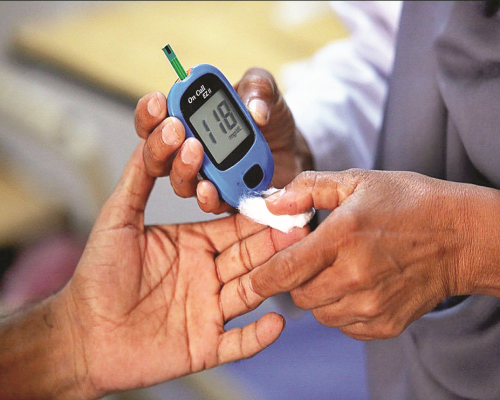
Until now, diabetes was usually diagnosed through blood or lab tests, which are expensive and time-consuming. Some existing sensors measure sugar levels in sweat, but that requires exercise or other methods to stimulate perspiration—making the process complicated.
This newly developed sensor, described in the journal Chemical Engineering, works differently. Researchers explain that our breath contains a compound called acetone. If its concentration exceeds 1.8 parts per million (ppm), it may indicate diabetes.
The device works by having the patient breathe into a small sensor-equipped bag. Within a few minutes, the sensor analyzes the breath sample and provides results on blood sugar risk levels. Scientists believe that in the future, this sensor could even be embedded in masks, making daily monitoring of diabetes risk simple and non-invasive.
Future Benefits
Experts say this method could lead to faster and painless diabetes detection. Upcoming studies will explore how breath acetone levels change in relation to diet, sleep, and exercise, helping patients manage their condition more effectively.