
Supreme Court Expresses Concern Over Delays in Framing of Charges, Indicates New Guidelines
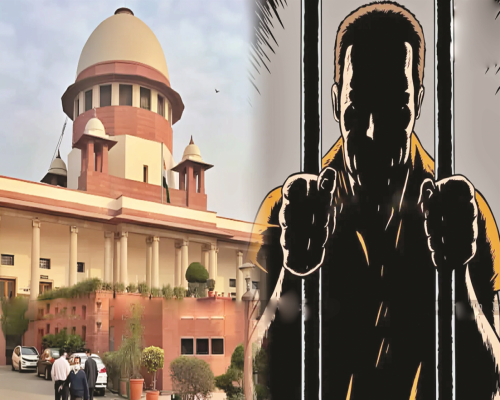
The Supreme Court of India has expressed deep concern over the growing delays in the framing of charges in criminal cases, observing that prolonged procedural lapses are undermining the pace of justice and contributing to massive case backlogs across the country.
Hearing a recent case, the bench noted that in many instances, courts take three to four years merely to frame charges, leading to an unnecessary extension of trials. The Court remarked that such delays violate the fundamental principle of speedy justice, which is an essential part of the right to fair trial under Article 21 of the Constitution.
Bench Seeks Framework for Timely Framing of Charges
The bench comprising Justice Abhay S. Oka and Justice Ujjal Bhuyan observed that once a charge sheet is filed, courts must ensure that charges are framed promptly so that trials can proceed efficiently.
The Court sought the assistance of Attorney General R. Venkataramani and Solicitor General Tushar Mehta to propose measures and potential guidelines for fixing timelines for framing charges in both civil and criminal cases. Senior advocates Siddharth Luthra and A.M. Nagargoje were appointed as amicus curiae to assist the Court in this matter. The next hearing has been scheduled for November 19.
Observation on Judicial Accountability
During the proceedings, the bench raised a crucial question:
“Why does it take years to frame charges even after a charge sheet is filed? Are such delays limited to civil cases, or are they equally prevalent in criminal trials?”
The Court indicated that such systemic inefficiencies call for structured timelines and accountability mechanisms within the judicial process.
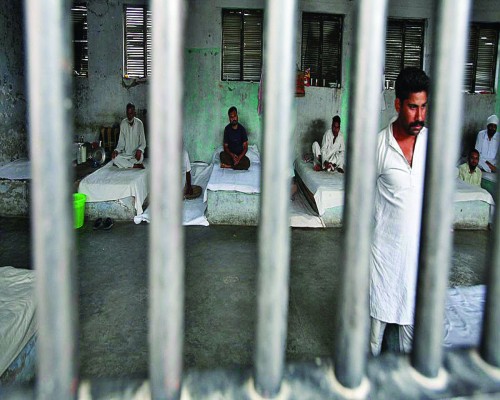
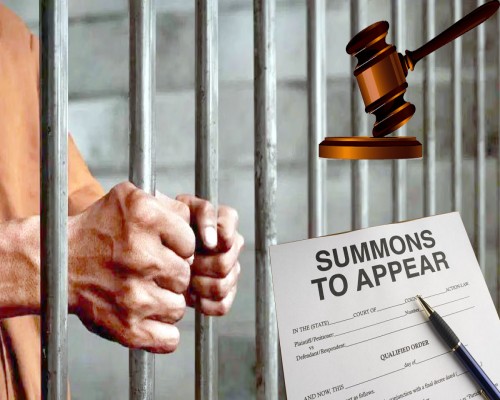
It further emphasized that while the pendency of cases is a known concern, the delay in the initial stage of charge framing often results in prolonged incarceration for undertrial prisoners, particularly in serious criminal cases.
Case Background and Wider Implications
The observation arose during the hearing of a case from Bihar, where the charge sheet had been filed, but the framing of charges was still pending even after considerable time. The Court remarked that such practices “defeat the very object of justice delivery” and reiterated that all courts must work towards time-bound trials.
The Supreme Court also hinted that it may soon issue formal directions or model guidelines to ensure uniformity and efficiency in criminal proceedings across the country.
Legal analysts believe that such a move could mark a major procedural reform, helping to reduce pendency and strengthen public confidence in the judiciary.