
Supreme Court: Reservation System Has Become Like a Train Compartment — Needs Overhaul
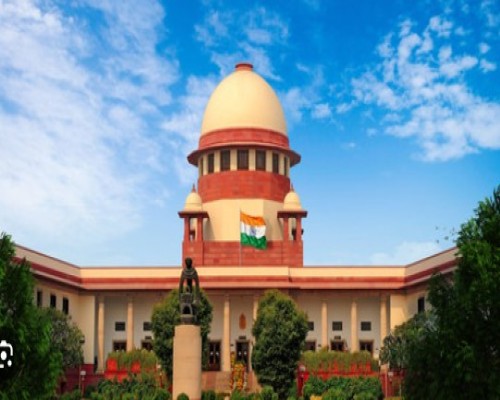
In a strong observation, the Supreme Court of India likened the country’s reservation system to an overcrowded train compartment where everyone is trying to push their way in. The Court emphasized the urgent need to reevaluate and reform the current reservation framework to ensure fair representation and balance.
The remarks were made by a bench headed by Justice Aniruddha Bose during the hearing of a petition related to OBC reservation in local body elections in Maharashtra. The Court questioned whether the state government had followed proper procedure and collected sufficient data to justify the quota.
The Bench pointed out that while the intention behind reservations is to uplift disadvantaged communities, it has increasingly become a political tool, leading to competition among different groups for inclusion.
Key Concerns Highlighted by the Court:
- Uncontrolled expansion of reservation categories has led to widespread confusion and inefficiency.
- States must conduct detailed, evidence-based surveys to justify reservations, especially in local elections.
- The Court emphasized the need for a systematic and transparent framework to assess backwardness.
- The idea of social justice should not be compromised by populist decisions or electoral politics.
The Court reiterated that although reservation is a constitutional right intended to ensure equality, it cannot be stretched to the extent where it dilutes merit and creates perpetual social friction.
This observation adds momentum to the national debate on reservation reform, and the apex court’s call for balance and data-backed decisions may set the tone for future policies.