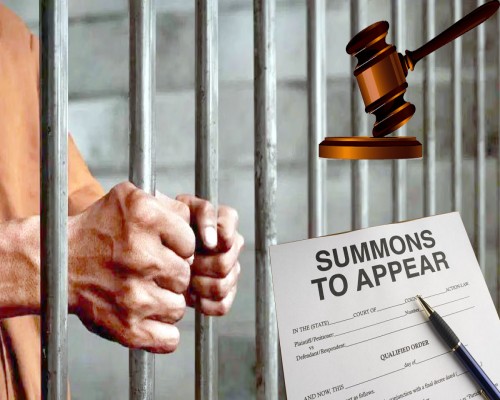

Supreme Court to Examine Validity of Sedition Law under BNS
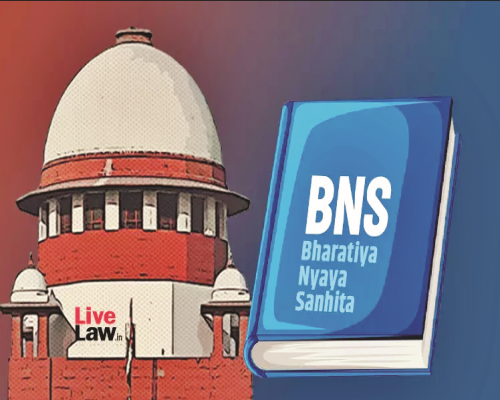
Petition argues new law is a colonial-era remnant; Section 152 challenged for curbing free speech
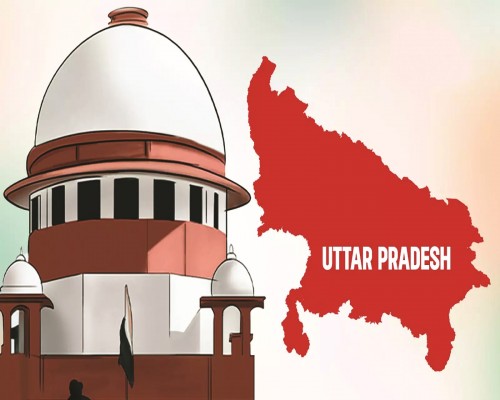
The Supreme Court of India on Friday agreed to hear petitions challenging the constitutional validity of the new sedition law introduced under the Bharatiya Nyaya Sanhita (BNS) 2023. Critics have described the law as a carryover from the colonial era, arguing that it continues to restrict freedom of speech and expression.
A bench led by Chief Justice D. Y. Chandrachud, along with Justices J. B. Pardiwala and Manoj Misra, issued notices to the Centre while hearing a plea filed by senior advocate Colin Gonsalves and others. The petitioners contend that Section 152 of the BNS, which criminalizes acts that “endanger the sovereignty, unity, and integrity of India,” is overly broad and prone to misuse.
According to the provision, any individual who by words—spoken, written, electronic, or symbolic—engages in activities deemed seditious may face punishment of up to seven years in prison and fines. Petitioners argue that the section fails to distinguish between genuine threats to national security and dissent, thereby violating constitutional guarantees of free speech.
The Court has sought the government’s response, and the matter will now be examined in detail to determine whether the provision aligns with democratic freedoms or perpetuates colonial-style restrictions.