
Virat Kohli: The Architect of India’s Golden Era of Fast Bowling in Test Cricket
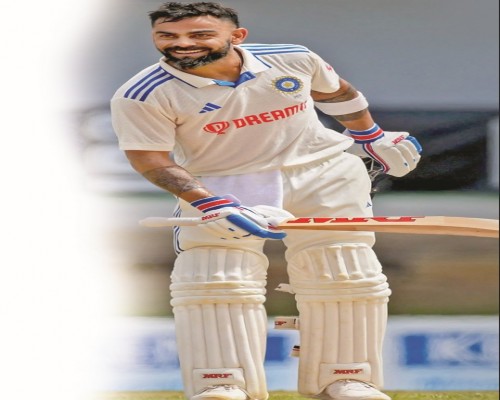
Under the captaincy of Virat Kohli, Indian Test cricket witnessed a historic transformation—particularly in the dominance of its fast bowling unit. During the 51 Test matches Kohli led, India’s pacers claimed a staggering 420 wickets, ushering in what is now widely considered the golden age of Indian fast bowling.
This era, spanning from 2016 to 2022, saw the rise of legendary pace combinations including Jasprit Bumrah, Mohammad Shami, Umesh Yadav, Ishant Sharma, and later Mohammed Siraj. These bowlers played pivotal roles in India's overseas victories in Australia, England, and South Africa—regions where India had historically struggled.
Kohli’s aggressive style of leadership, emphasis on fitness, and commitment to building a world-class pace attack helped change the very identity of Indian Test cricket. Under his tenure:
- India became one of the most feared touring sides in the world.
- The team consistently took 20 wickets in a match—crucial for winning Tests.
- Indian fast bowlers developed the discipline and stamina to perform across formats and conditions.
This focus on pace wasn't just tactical—it was cultural. Kohli’s energy and belief in the bowlers elevated their confidence, making fast bowling the face of Indian cricket’s new identity.
Off the field, Kohli’s recent visit to spiritual guru Sant Premanand Ji revealed another side of the cricketer. The saint praised Kohli’s humility and discipline, explaining to him the principle of “Prakritikta” (naturalness or equilibrium). Kohli’s wife, actress Anushka Sharma, accompanied him during the visit.
Meanwhile, cricket legend Sunil Gavaskar has hinted that neither Kohli nor Rohit Sharma may play the 2027 Cricket World Cup, suggesting the next generation must begin preparations now.
As Kohli takes a step back from leadership roles, his legacy lives on—not just in runs and records, but in the lasting revolution he sparked in Indian bowling.