
Government Approves 46 New Air Quality Monitoring Centres and Tighter Industrial Standards
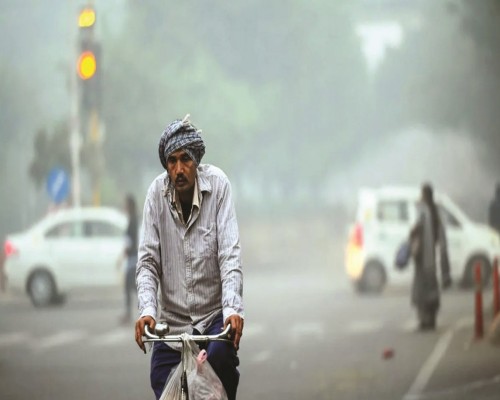
The government has approved the establishment of 46 new air quality monitoring centres across northern India as part of a broader strategy to strengthen pollution monitoring and enforcement mechanisms. The decision was taken during a meeting of the Commission for Air Quality Management (CAQM), where several measures aimed at improving air quality and strengthening environmental oversight were discussed.
According to officials, the newly approved monitoring centres will be set up across multiple states to enhance the scientific monitoring of pollution levels. The plan includes 14 monitoring stations in Delhi, 16 in Haryana, one in Rajasthan, and 15 in Uttar Pradesh. Once operational, the total number of air quality monitoring centres in the Delhi–NCR region is expected to reach 157, significantly improving the region’s ability to track pollution levels and identify sources of contamination.
The decision was taken during a high-level meeting chaired by the Chairperson of the Commission for Air Quality Management. The meeting reviewed the current pollution situation in Delhi and the National Capital Region and evaluated the effectiveness of existing measures to control air pollution. Several policy decisions were made to strengthen pollution control mechanisms and improve environmental compliance across sectors.
In addition to expanding monitoring infrastructure, the commission also approved stricter industrial standards to control emissions from industrial units operating in the region. Authorities believe that stronger regulatory norms will help reduce pollution levels and encourage industries to adopt cleaner technologies.
The meeting also addressed concerns related to dust pollution generated by construction and demolition activities. Officials indicated that new protocols for the management and disposal of construction and demolition (C&D) waste will be issued soon to ensure better dust control at construction sites.
Another important focus of the meeting was the prevention of incidents related to crop residue burning. Authorities emphasized the need for better coordination between state governments and local agencies to ensure the effective implementation of action plans designed to prevent stubble burning.
A comprehensive analysis of pollution sources in the region was also discussed during the meeting. The findings indicated that fine particulate matter (PM2.5) remains one of the most significant contributors to air pollution in the region.
According to the analysis, the major contributors to PM2.5 pollution include secondary particulate formation (approximately 27 percent), vehicular emissions (around 23 percent), biomass burning (about 20 percent), and dust pollution (around 15 percent). During the summer months, dust pollution tends to become the largest contributor to particulate pollution, followed by vehicular emissions.
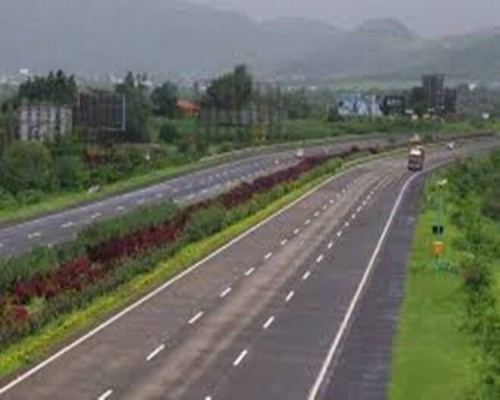
To address traffic-related pollution, the commission emphasized the need to improve traffic management systems. One of the recommendations included implementing barrier-free multi-lane free-flow (MLFF) systems at toll plazas, which would help reduce congestion and vehicle idling, thereby lowering emissions.
Officials also stressed the importance of strict enforcement by regulatory agencies to ensure compliance with environmental regulations. The commission directed enforcement teams to maintain vigilance and take necessary action against violations related to pollution control.
Environmental experts believe that the expansion of monitoring infrastructure, along with stronger regulatory standards, will improve the region’s capacity to track pollution sources and implement targeted mitigation strategies. The new monitoring centres are expected to provide more accurate data for policymakers, helping authorities develop more effective solutions to address the persistent challenge of air pollution in northern India.