
Import Restrictions on Bangladesh Open ₹2,000 Crore Manufacturing Opportunity for Indian Garment Sector
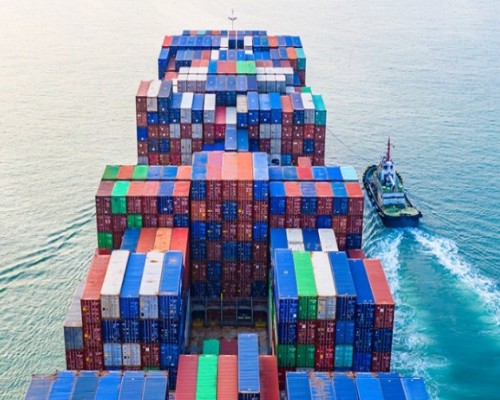
The Indian government’s decision to impose restrictions on the import of garments from Bangladesh and other countries via road transport has opened up a significant ₹2,000 crore opportunity for the domestic garment manufacturing sector.
The restrictions come in response to rising concerns that low-cost garments from Bangladesh were entering India without proper taxation under the guise of duty-free trade, especially through informal road routes. These imports have been affecting the competitiveness of Indian garment manufacturers, particularly small and medium enterprises (SMEs).
According to industry estimates, garments worth over ₹6,000 crore are imported annually from Bangladesh. Of this, nearly ₹2,000 crore worth of goods are brought in through land routes. The new regulation is aimed at curbing this unchecked inflow and providing a level playing field to domestic producers.
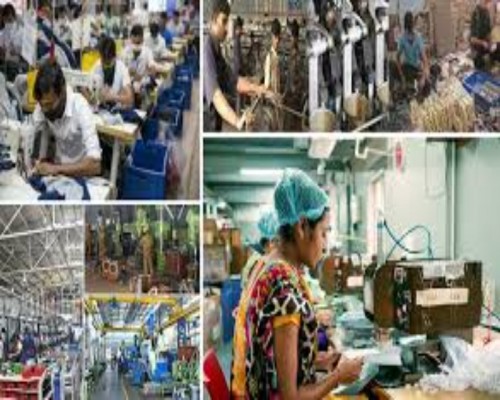
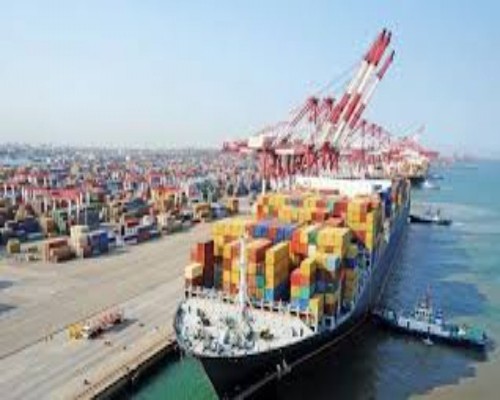
The Ministry of Commerce and Industry has clarified that only garments entering India via designated ports, with appropriate customs clearance, will now be permitted. This move is expected to benefit Indian textile hubs such as Tiruppur, Ludhiana, Surat, Kanpur, and Noida, which have the capacity to ramp up production and fill the supply gap.
Industry associations have welcomed the decision, stating that this would lead to increased investment, employment, and capacity utilization in the Indian garment sector. Apparel exporters and manufacturers are also optimistic that the restriction will boost local sales and reduce unfair competition from duty-free garments entering the Indian market.
Officials added that the policy aligns with the government’s broader ‘Make in India’ and ‘Atmanirbhar Bharat’ missions, aimed at promoting self-reliance and reducing dependence on cheap imports.
With the upcoming festive season and rising domestic demand, Indian manufacturers are now gearing up to capture the newly opened ₹2,000 crore market and strengthen their presence both domestically and globally.