
India Eases Curbs on Import of Chinese Equipment Amid Project Delays
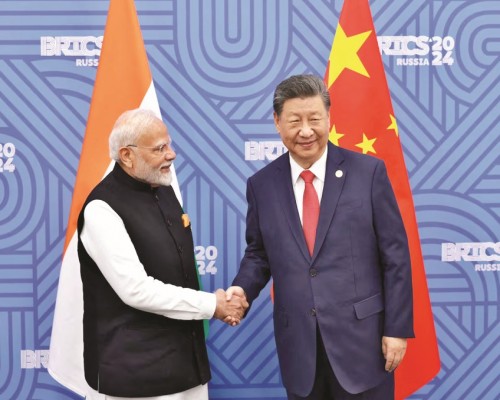
In a significant policy shift, the Government of India has begun easing restrictions imposed on the procurement of Chinese equipment following the 2020 border clash. The move is aimed at addressing equipment shortages and delays affecting key infrastructure and power sector projects.
The restrictions were originally introduced in the aftermath of the deadly border standoff, when the government tightened scrutiny over Chinese participation in public procurement. Chinese firms were effectively barred from bidding for government contracts unless they fulfilled additional requirements, including registration with a designated government panel and obtaining political and security clearances. These measures significantly curtailed access for Chinese companies to contracts estimated at nearly $700 billion in value.
However, mounting concerns over supply constraints and delays in critical projects have prompted a reassessment. The government has now permitted state-run power companies to resume limited imports of certain Chinese equipment, particularly for electricity transmission infrastructure. Officials indicated that similar relaxations may also be considered for essential equipment used in the coal sector.
The decision reflects practical considerations tied to domestic production capacity. According to officials familiar with the development, the continued restrictions were adversely affecting India’s project execution timelines and production capabilities. The easing of norms is therefore being viewed as a calibrated step taken in national interest to prevent further disruptions in vital sectors.
It is understood that a high-level committee has approved the relaxation, and formal orders are expected to be issued. While security concerns remain a priority, the revised approach suggests that the government is seeking to balance strategic safeguards with economic and infrastructural imperatives.
The development marks the first major dilution of the procurement restrictions introduced five years ago and signals a nuanced recalibration of trade and industrial policy in response to ground realities.