
India Rejects US Allegations of Excess Production in Textile and Steel Sectors
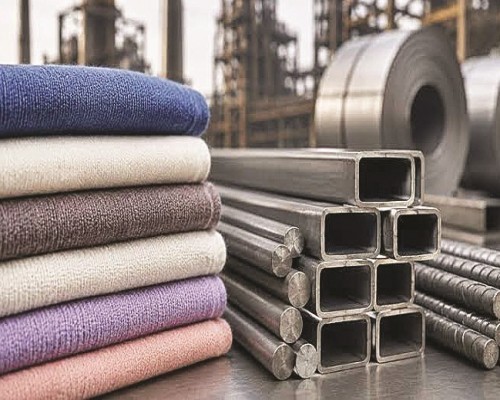
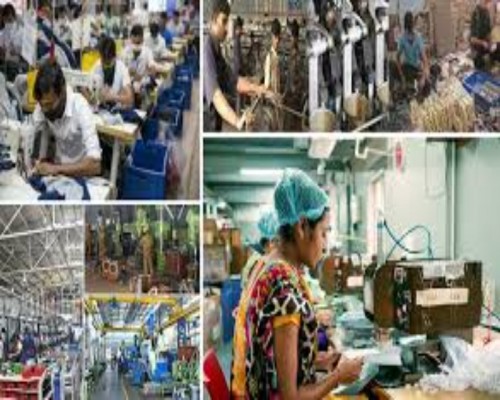
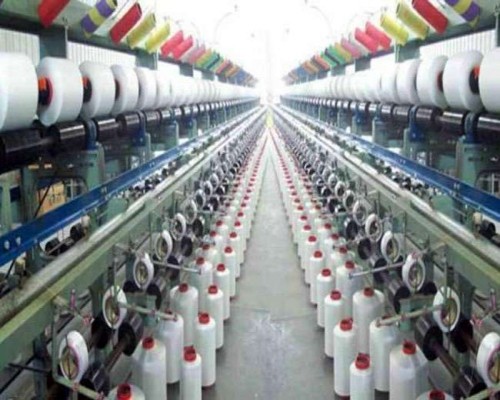
India has rejected concerns raised by the United States regarding alleged excess production in the textile and steel sectors, stating that the country’s production capacity in both sectors is not higher than its total per capita consumption.
According to the Government of India, the allegation of excess production does not reflect the actual domestic situation. Officials have maintained that, when compared with several other countries, India’s level of production remains considerably lower, especially when per capita consumption and overall economic activity are taken into account.
The issue has emerged in the context of an ongoing examination by the United States under Section 301 of its trade law. The US authorities have been reviewing industrial production practices and alleged overcapacity in more than 50 countries. The United States has expressed the view that India produces more than what is required for trade with America in several sectors. Similar concerns have reportedly been raised regarding other countries as well, with the US examining whether production in those nations is being supported in a manner that may affect trade balance or market fairness.
India, however, has strongly disputed this interpretation. The Directorate General of Trade Remedies and senior officials of the Ministry of Commerce have clarified that the framework of the World Trade Organization does not include any provision under trade remedy laws for investigating “excess production” as a separate trade issue. Officials have described such an approach as a new concept and have indicated that India does not agree with the premise that its textile and steel sectors are producing beyond reasonable or required levels.
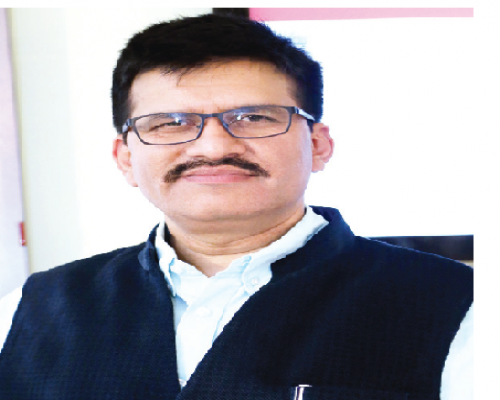
Additional Secretary in the Department of Commerce and Director General of Trade Remedies, Amitabh Kumar, has stated that India’s production in textiles and steel is not excessive when seen in the correct economic context.