
Months Amid Pollution Concerns
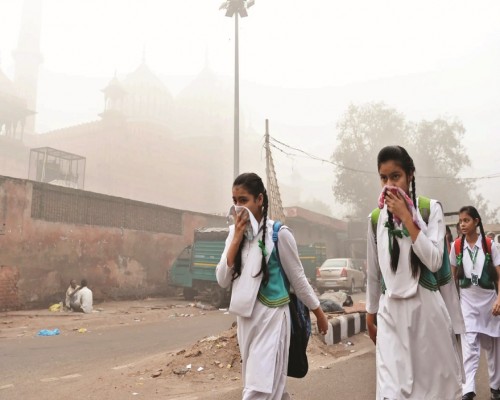
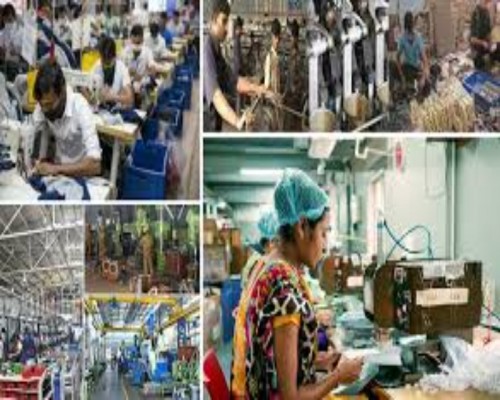
Despite growing public concern over deteriorating air quality, enforcement measures against polluting industrial units have drawn criticism for being inadequate. Data indicates that in the four months following the launch of a special anti-pollution drive in October, only 59 industrial units were sealed, raising questions about the effectiveness of the crackdown.
The enforcement campaign was initiated after the implementation of the Graded Response Action Plan (GRAP) on October 14, aimed at curbing rising pollution levels. However, official figures reveal that while inspections were carried out, substantial punitive action remained limited. Apart from sealing 59 units, authorities imposed a fine of ₹50,000 on just one factory during the period.
Officials from the Uttar Pradesh Pollution Control Board (UPPCB) and the district administration have maintained that joint operations are conducted regularly. However, environmental observers argue that illegal and unauthorized factories continue to operate across several areas, contributing to worsening air quality.
Records show that during the GRAP period, industrial units were sealed on select dates: 20 industries on November 13, four on November 17, four on November 21, seven on December 14, seven on December 19, and 17 on December 20. The total number of units sealed over this period amounted to 59.
Long-term data also indicates fluctuating enforcement trends. In 2021, 353 illegal factories were sealed; in 2022, 380; in 2023, 308; in 2024, 294; and in 2025, 307 units were reportedly sealed. Despite these figures, environmental concerns persist, particularly in densely industrialized zones.
Authorities have stated that industrial operations are permitted only within designated industrial areas and that necessary approvals, including No Objection Certificates (NOCs) from the Pollution Control Board and other departments, are mandatory. However, allegations continue that several unauthorized factories operate without proper clearances, sometimes even within residential areas.
Air quality data further highlights the challenge. In 2025, air quality fell into the “very poor” category for 53 days and “severe” for 14 days. The “poor” category was recorded for 66 days, “moderate” for 135 days, “satisfactory” for 90 days, and “good” for only six days. Lohni recorded the highest number of days in the “very poor” category, while other areas also experienced significant pollution levels.
Officials have reiterated that special drives are conducted against non-compliant units and that enforcement will continue. However, environmental activists argue that stronger and more sustained action is needed to bring meaningful improvement in air quality and to prevent industrial violations from undermining public health.
The limited number of closures during the recent campaign has intensified calls for stricter monitoring, transparent reporting, and decisive regulatory intervention to ensure environmental compliance across the district.