
Tariff Surge Threatens India’s Textile Exports, Urgent Incentives Needed to Sustain Industry
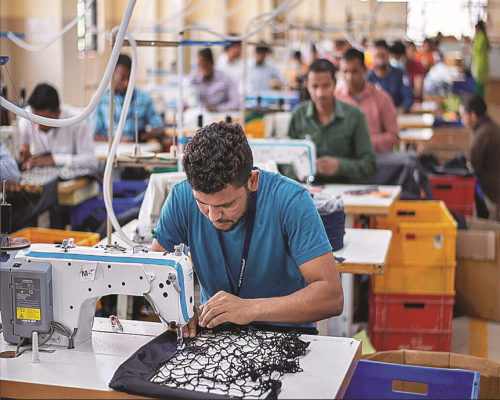
India’s textile export sector is facing a severe crisis as the recent 50% tariff hike imposed by the United States has significantly weakened the industry’s competitiveness in global markets. Industry experts are calling for immediate government intervention and incentives to safeguard the sector’s future and help it withstand mounting international pressure.
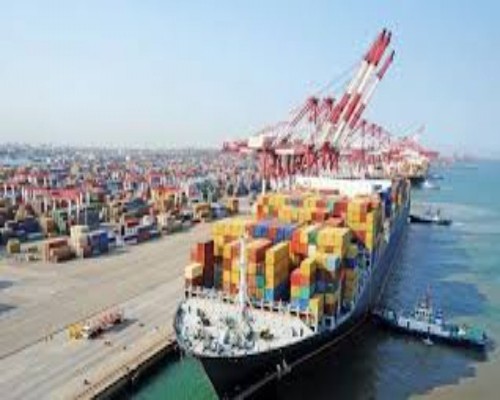
According to industry reports, the higher tariffs have sharply reduced profit margins for textile manufacturers, who were already struggling with global market challenges. Many exporters are now failing to secure new orders, while existing orders are being cancelled — resulting in substantial financial losses. It is estimated that orders worth ₹40 billion have already been scrapped, leading to considerable uncertainty across the sector.
Tiruppur Textile Hub Hit Hardest
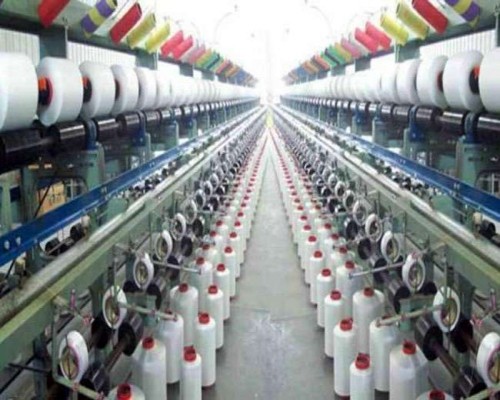
The textile cluster of Tiruppur, which contributes nearly 55–60% of the country’s garment exports, has been among the worst affected. With approximately ₹700 billion worth of exports annually, Tiruppur is witnessing widespread cancellations and disruptions. This setback is expected to have a ripple effect across other key textile-producing regions, including West Bengal, Tamil Nadu, and Telangana, which together account for over 20% of the country’s textile output.
The industry fears that if the situation is not addressed promptly, the compounded impact of tariff hikes and market volatility could lead to further contraction in production and exports. Manufacturers argue that they cannot absorb the cost escalation and compete globally without immediate relief measures.
Reasons Behind the Pressure
Several factors are contributing to the crisis. The U.S. tariff increase has made Indian textiles significantly costlier, giving competing exporters a price advantage. Simultaneously, the industry is grappling with reduced global demand, rising raw material costs, and logistical challenges. Additionally, India’s failure to secure comprehensive trade agreements with key markets has exacerbated the situation.
Urgent Policy Support Required
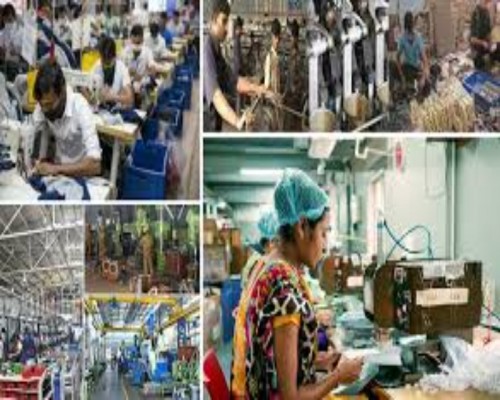
Industry leaders are urging the government to introduce targeted fiscal incentives, export subsidies, and logistical support to help textile exporters remain viable. They argue that just as domestic sectors receive government backing during crises, the export-oriented textile industry — which employs millions and contributes substantially to foreign exchange earnings — requires similar attention.
Without urgent intervention, experts warn, the impact of tariffs could push many small and medium enterprises (SMEs) to the brink of closure, jeopardising jobs and damaging India’s position in the global textile value chain. A combination of policy reforms, trade negotiations, and incentive packages is seen as critical to restoring stability and competitiveness to this vital sector of the economy.