
Changing Food Habits in China Put Badminton “Shuttlecock” at Risk
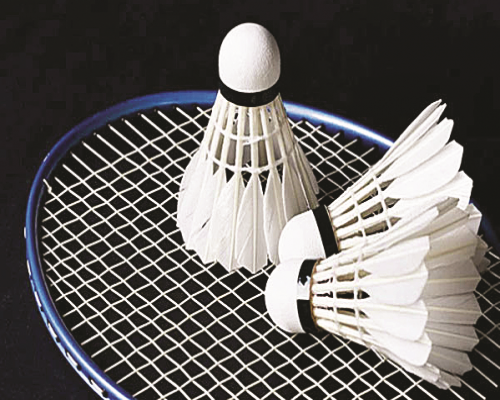
The popular sport of badminton is currently facing an unusual crisis. The production of shuttlecocks—made from the feathers of goose and duck—is steadily declining.
Across the world, the Badminton World Federation (BWF) requires high-quality shuttlecocks for tournaments, but manufacturers are finding it increasingly difficult to meet demand at standard prices. Many suppliers are being forced to sell at higher rates. Recently, even Indian ace shuttler P.V. Sindhu and junior-level players have reported difficulties in accessing adequate supplies of shuttlecocks for practice and matches.
The core issue lies in China’s changing dietary habits. Traditionally, goose and duck meat was a common part of Chinese cuisine, leading to an ample supply of feathers used in shuttle production. However, with shifts in consumption patterns, fewer geese and ducks are being reared, and manufacturers are facing a shortage of suitable feathers.
The Badminton Association of India (BAI) has raised the matter with BWF, urging it to find alternatives. Experts noted that while synthetic shuttlecocks are under consideration, players are not yet comfortable with them, as they affect speed, durability, and game quality.
China, the largest producer of shuttlecocks, accounts for about 16 billion feathers annually. But with the decline in goose and duck farming, supply chains are under stress, and major companies like Yonex and Li-Ning are struggling to maintain production.
Unless a viable alternative is found soon, the shortage could severely impact professional tournaments worldwide, making badminton matches more expensive and logistically challenging.