
HbA1c Test Alone May Not Reliably Determine Diabetes Status, Study Warns
A recent study has cautioned against relying solely on the HbA1c test to diagnose diabetes, particularly in countries like India where conditions such as anaemia and genetic blood disorders are prevalent. Researchers have indicated that in such populations, HbA1c results may sometimes be misleading and could either delay diagnosis or produce inaccurate readings.
The findings, published in a leading medical journal, highlight that HbA1c levels can be influenced by factors unrelated to blood sugar control. The test measures average blood glucose levels over the previous two to three months by assessing glycated haemoglobin in red blood cells. However, variations in red blood cell lifespan, iron deficiency, and inherited blood disorders can significantly affect the accuracy of the results.
In India, where anaemia remains widespread, especially among women and rural populations, HbA1c values may appear higher than actual glucose levels. Similarly, certain genetic blood conditions can distort the test’s outcome. Researchers noted that in such scenarios, patients may either be misdiagnosed with diabetes or experience a delay in receiving appropriate treatment.
The study also emphasized that relying exclusively on HbA1c testing could lead to misclassification of patients. For example, individuals with pre-diabetes—typically identified with HbA1c levels between 5.7% and 6.4%—or those diagnosed with diabetes at 6.5% and above, might receive inaccurate results if underlying blood-related conditions are present.
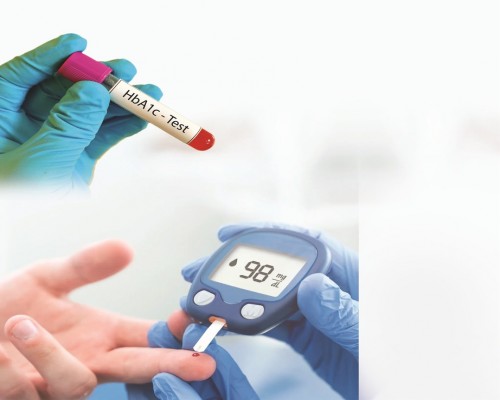
Experts involved in the research advised healthcare providers to consider additional diagnostic tools alongside HbA1c testing. These may include fasting blood glucose tests, oral glucose tolerance tests (OGTT), and regular monitoring of blood sugar levels. In certain cases, continuous glucose monitoring devices may also offer more reliable insights.
The study further noted that variations in laboratory standards and testing methods across different facilities could contribute to inconsistencies in HbA1c reporting. This reinforces the need for comprehensive evaluation rather than dependence on a single test parameter.
Medical professionals have recommended a more holistic approach to diabetes diagnosis, particularly in regions where anaemia and blood disorders are common. Combining multiple diagnostic methods can help ensure accurate detection and timely management of the disease.
The research underscores the importance of context-specific healthcare practices and cautions patients and practitioners against drawing definitive conclusions from a single laboratory result.