
Himalayas Found to Be Much Older Than Previously Estimated
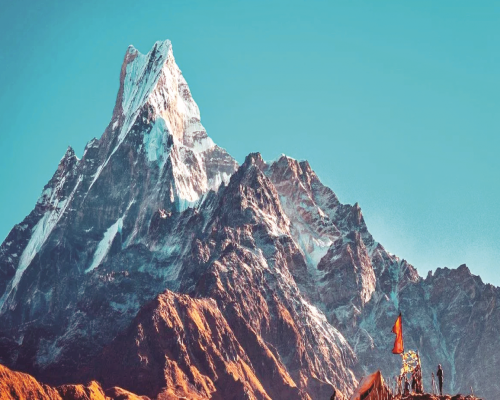
A groundbreaking study by scientists from the Wadia Institute of Himalayan Geology has revealed that the Eastern Himalayas are significantly older than earlier believed. New age analysis suggests the mountain range could be around 85 million years old, several times older than previous estimates of approximately 20 million years.
The research, conducted in the Lohit Plateau of Arunachal Pradesh, indicates that the Eastern Himalayas formed between 159 and 70 million years ago, predating the massive tectonic collision between the Indian and Eurasian plates that was long thought to be the primary cause of the range’s formation.
This conclusion comes from tectonostratigraphic mapping and radiometric dating of zircon minerals found in the region. The findings also reveal that the Lohit Plateau, now part of the Eastern Himalayas, was once a separate geological block that later merged with the main Himalayan range.
Dr. Anant Singh, a senior scientist involved in the study, stated that the results provide fresh insights into the evolutionary stages of the Himalayas. The research marks the first time a study has reported the existence of such ancient Himalayan rocks, suggesting that significant parts of the range existed well before the major continental collision event.
The study has been published in the prestigious London Geological Society Journal, opening new avenues for understanding the geological history of the region.