
NASA Discovers Cell-Like Structures Forming on Saturn’s Moon Titan
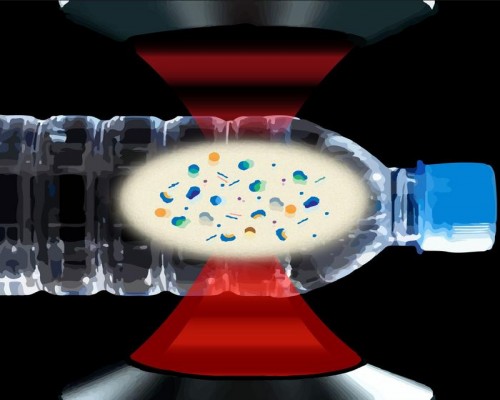
NASA has revealed that Saturn’s largest moon, Titan, hosts lakes filled with ethane and methane, and within these hydrocarbon-rich environments, structures resembling cells are forming. According to the new research, these formations could be “vesicles” — microscopic structures that are essential for life to develop.
Unlike Earth, where vesicles form in water-based environments, Titan’s vesicles could emerge in its frigid, methane-based conditions, creating a potential habitat for life. Scientists from Cornell University have highlighted that Titan’s unique environment, despite its harshness, may still be capable of supporting certain biological processes.
The research indicates that Titan’s thick atmosphere, rich in nitrogen, along with its extremely low temperatures, could allow for the development of stable vesicle-like membranes. These structures may function similarly to cellular walls on Earth, potentially enclosing organic molecules and facilitating complex chemical interactions.
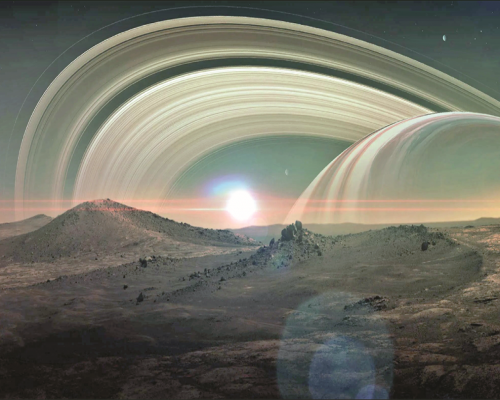
Titan, shrouded in an orange haze, features lakes and seas of liquid methane and ethane, along with icy landscapes. The study suggests that these conditions, though drastically different from Earth’s, might offer clues about how life could exist elsewhere in the universe