

AI Can Now Predict Over 1,000 Diseases in Advance
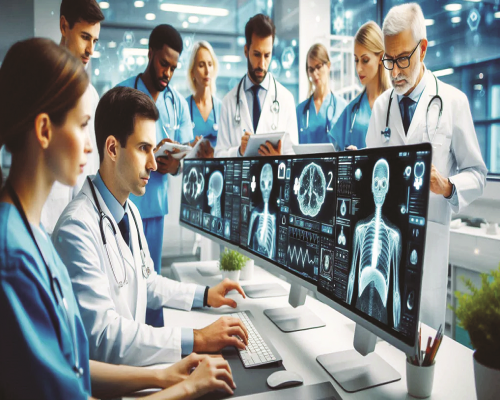
Artificial Intelligence (AI) is revolutionizing healthcare with a new tool capable of predicting more than 1,000 diseases — including chronic and life-threatening conditions — well before they occur. Developed by a team of British scientists, the AI system, named “Decipherum,”analyzes a person’s medical data, lifestyle, habits, and health records to forecast potential health risks years in advance.
The tool, based on a large language model (LLM), is designed to answer critical questions about an individual’s future health. It uses a combination of genetic information, medical history, body mass index (BMI), daily routines, and other data points to estimate the likelihood of developing diseases. The AI system can also offer personalized recommendations for preventive measures, lifestyle changes, and medical interventions to reduce risks.
Comprehensive and Accurate Predictions
Unlike traditional diagnostic tools, Decipherum can identify and assess the risk of over 1,258 conditions without requiring multiple tests or screenings. This includes cardiovascular diseases, diabetes, cancer, and other chronic illnesses. Once the data is processed, users receive a detailed health report outlining potential risks, severity levels, and preventive steps tailored to their profile.
The model has been tested on medical data from more than 400,000 individuals, producing highly accurate predictions. Scientists claim that its ability to analyze multiple health variables simultaneously sets it apart from other AI-based healthcare solutions. It not only predicts diseases but also calculates how soon they might develop and how severe they could become.
A New Era in Preventive Medicine
Experts believe Decipherum could transform preventive healthcare by enabling early interventions long before symptoms appear. By identifying high-risk individuals and recommending lifestyle changes, it has the potential to significantly reduce the global burden of chronic diseases.
While the technology is still undergoing trials, early results are promising. Scientists envision a future where AI-powered predictive health tools become standard practice, allowing people to take proactive steps toward maintaining long-term health and well-being.