
AI-Developed Drugs Show Promise Against Antibiotic-Resistant Bacteria
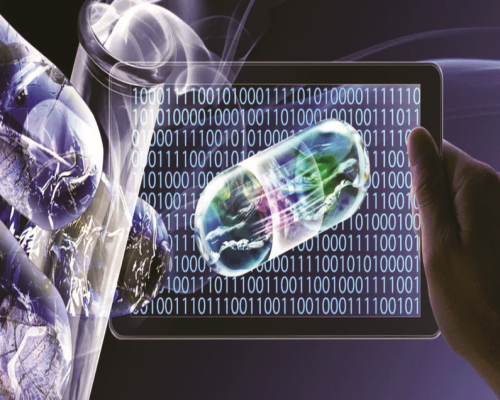
MIT scientists create breakthrough medicines that could save millions of lives
New Delhi, September 3, 2025 – In a major scientific breakthrough, researchers at the Massachusetts Institute of Technology (MIT) have developed new drugs using artificial intelligence (AI) that can effectively combat antibiotic-resistant bacteria—a growing global health crisis.
According to the study, AI-based drug design has led to the discovery of compounds capable of killing bacteria that have become resistant to conventional antibiotics. Scientists trained AI models on massive chemical datasets, enabling the system to identify 4.5 lakh potential compounds, from which the most effective candidates were shortlisted.
Experts warn that antibiotic resistance currently kills 10 million people worldwide every year. If unchecked, this figure could rise to 3.9 crore deaths annually by 2050. The new AI drugs are designed to overcome bacterial defense mechanisms, offering fresh hope in treating infections previously deemed incurable.
Researchers highlighted two critical applications:
- Treating hospital-acquired infections caused by resistant strains.
- Developing affordable, safer antibiotics for mass use without harming healthy cells.
Scientists say this is one of the most promising developments in decades. By leveraging AI, they can now design entirely new classes of chemical compounds—something that was extremely difficult using traditional methods.
Experts believe this innovation could mark the beginning of a new era in antibiotic development, safeguarding millions of lives in the coming decades.