
Cyber Hygiene Course to Protect Students from Online Threats
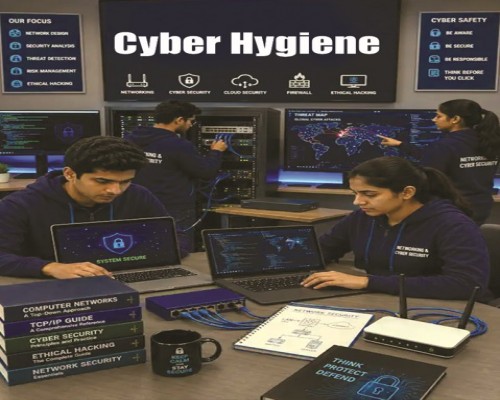
With cybercrimes and online risks increasing rapidly, the Central Board of Secondary Education has taken an important step to strengthen the digital safety of students. The Board has directed its affiliated schools across the country to encourage students, teachers and parents to join the Cyber Hygiene Certificate Course prepared by the Indian Cyber Crime Coordination Centre under the Ministry of Home Affairs.
The purpose of this two-and-a-half-hour online course is to promote safe digital habits and create awareness about cybercrimes. The course has been designed to help students understand how to use the internet responsibly and how to protect themselves from online fraud, cyberbullying, online grooming, identity theft and other digital threats.
According to CBSE, children today are not only exposed to financial cyber fraud but also to several other serious online risks. These include cyberbullying, misuse of personal photographs or information, fake online profiles, harmful digital interactions, online harassment and attempts to trap children through social media or gaming platforms.
The Board has stated that awareness and timely education are essential to protect students in the digital age. Since children are increasingly using smartphones, computers, online learning platforms, social media and gaming applications, they must be taught how to identify suspicious activities and respond safely.
The Cyber Hygiene Certificate Course will help participants understand basic precautions such as using strong passwords, avoiding suspicious links, protecting personal data, reporting cybercrime, maintaining privacy on social media and recognising online fraud. It will also guide students on how to behave responsibly in digital spaces.
CBSE has asked schools to share information about the course with students, teachers and parents so that a larger number of people can benefit from it. The initiative is aimed not only at students but also at the entire school community, because parents and teachers play an important role in guiding children’s online behaviour.
The growing use of digital platforms has made cyber awareness an essential part of education. Online classes, digital payments, educational apps and social media have become common in daily life. However, lack of awareness often makes children vulnerable to cybercriminals and online exploitation.
Experts believe that cyber safety should be treated as a life skill for students. Just as children are taught road safety and personal safety, they must also be trained in digital safety. Early awareness can help prevent serious incidents and encourage students to report suspicious or harmful online behaviour without fear.
The course is expected to build responsible digital citizenship among students. By learning safe internet practices, students can protect themselves and also guide their peers. Teachers will also be better equipped to identify cyber-related risks faced by children and offer timely support.
The initiative becomes especially important as cases of cyberbullying, online fraud and digital harassment involving children have been rising. Many students are unaware of how their data can be misused or how online conversations can become unsafe. Structured training through such a course can reduce these risks.
CBSE’s direction to schools reflects the need for a coordinated approach involving educational institutions, families and government agencies. Schools are expected to create awareness, encourage participation and promote regular discussions on cyber safety.
The Cyber Hygiene Certificate Course is a preventive step that can help students build confidence while using digital platforms. It can also promote responsible online conduct and make children more alert against cyber threats.
In the present digital environment, cyber hygiene is no longer optional. It is necessary for every student, teacher and parent. By encouraging participation in this course, CBSE aims to create a safer online environment and prepare students to face the challenges of the digital world with awareness and responsibility.