
Eight Years of GST: Simplicity Still Elusive Despite Repeated Attempts
Eight years after India rolled out the Goods and Services Tax (GST), the system has expanded significantly, yet calls for greater transparency and simplification remain unfulfilled.
Since its launch in July 2017, several efforts have been made to make GST easier to comply with. However, business owners say that multiple tax rates and procedural complexities continue to create challenges, especially for small enterprises.
Experts note that while GST has increased revenue collection, the system’s structure—with five different tax slabs and varying rates even on everyday items like bread and butter—has led to confusion and compliance burdens.
Tax Inequality Remains the Biggest Concern
For example, certain packaged goods such as pulses and rice are taxed at 5% if packed in units between 25–50 kilograms, while smaller or unpackaged quantities are exempt. Similarly, restaurants, traders, and transporters often face inconsistent interpretations of GST rules, resulting in disputes and litigation.
Revenue Growth Without Rate Rationalization
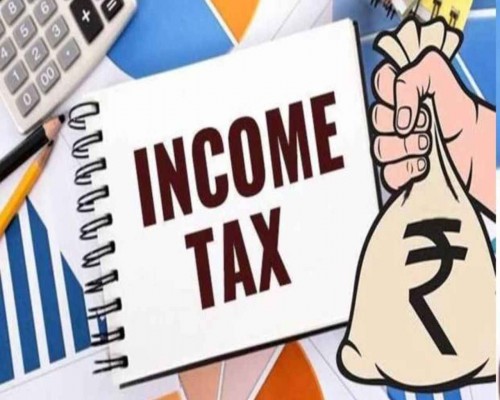
Data shows that GST revenue has steadily grown each year. Monthly collections have now surpassed ₹1.5 lakh crore on average, compared to about ₹1 lakh crore during 2020–21. In 2024–25, the government expects to collect ₹22.08 lakh crore in GST revenue.
Despite this growth, there has been no revision to the GST slab structure. Rates of 5%, 12%, 18%, and 28% continue to be levied on different goods and services, making compliance difficult for businesses.
Calls for Reform
Industry associations have urged the government to merge slabs and simplify processes. Tax experts also recommend reducing reliance on provisional input tax credits and automating refunds to prevent delays and disputes.
A senior tax consultant said, “Businesses that filed accurate returns have still faced demands for interest and penalties due to system issues. This erodes trust in the regime.”
Government sources have indicated that rate simplification and rationalization are under consideration but may take time due to the complexity of the system and revenue implications for states.