
First Human Trial of Antibody Therapy Offers New Hope for Lung Cancer Patients
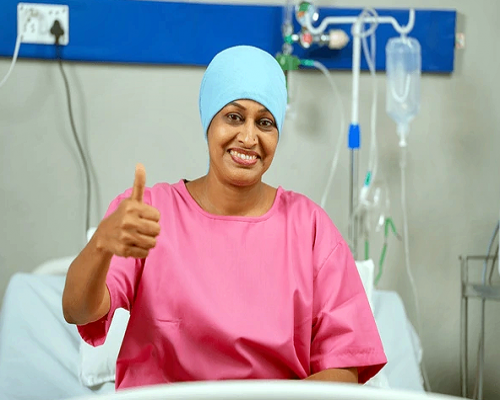
In a major breakthrough in cancer research, scientists have successfully conducted the first human trial of an antibody-based drug designed to combat lung cancer. This pioneering study offers new hope for patients suffering from small-cell lung cancer (SCLC) — one of the most aggressive and difficult-to-treat forms of the disease.
A team of researchers in China led the trial, which targeted the rapid progression and fatal nature of SCLC. The drug, known as SRCY-4849 (ID849), is a monoclonal antibody that works by blocking specific proteins associated with cancer cell growth, thereby slowing disease progression. The early-stage human trials demonstrated both safety and promising therapeutic activity in patients.
During the initial phase, patients received doses ranging from 0.8 to 4.2 milligrams per kilogram in five separate treatments. Among the 54 participants, 42 were deemed suitable for treatment. The trial reported a 59.5% disease control rate and a 90.5% response rate in patients who responded positively to the therapy.
The antibody functions by targeting the DLL3 protein, a key marker found in many SCLC tumors, and neutralizing its effects. This targeted approach reduces cancer cell proliferation and potentially improves survival outcomes.
Researchers believe that these encouraging results pave the way for larger-scale clinical trials and may ultimately lead to a groundbreaking new treatment option for SCLC patients worldwide.