
GST Council Brings Relief with Simplified Tax Structure and Wide-Ranging Cuts
The Goods and Services Tax (GST) Council has announced a major overhaul of India’s tax regime, simplifying slabs and lowering rates across a wide range of goods and services. The move is expected to stimulate consumption, reduce compliance complexity, and provide relief to millions of households.
Key Features of the Reform
- Two-Slab System: The earlier four-tier structure has been reduced to just two main slabs of 5% and 18%, while the 12% and 28% categories have been scrapped.
- No GST on Essentials: Life-saving medicines, cancer drugs, and health insurance premiums are fully exempt. Daily-use items such as milk, paneer, and Indian breads are also outside the GST net.
- Lower Rates on Common Goods: Packaged foods, soaps, shampoos, footwear, pasta, chocolates, and bicycles will now fall under the 5% category.
- Reduced Burden on Consumers: Household appliances like TVs, dishwashers, and small cars have moved from 28% to 18%. Agricultural products, fertilizers, and machinery have also shifted to lower slabs, providing relief to farmers.
Big-Ticket Savings
- Automobiles: Cars with engine capacity up to 1500 cc, including diesel models, will move from the 28% slab to 40% including cess, ensuring a more structured levy on luxury vehicles. Small cars and two-wheelers will now be cheaper, with rates down to 18%.
- Hotels and Tourism: Hotel room tariffs have seen a significant reduction, with rates brought down to encourage domestic tourism.
- Services Sector: Air transport, financial services, and insurance policies will see reduced levies, simplifying costs for consumers and businesses.
Government’s Outlook
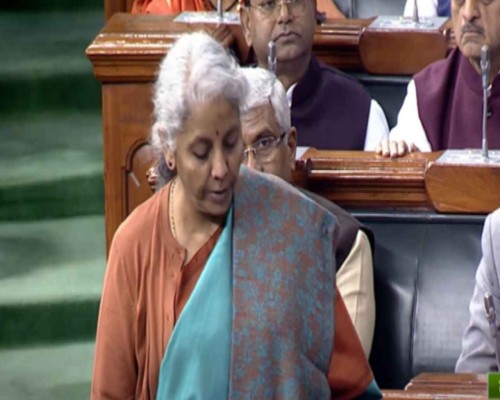
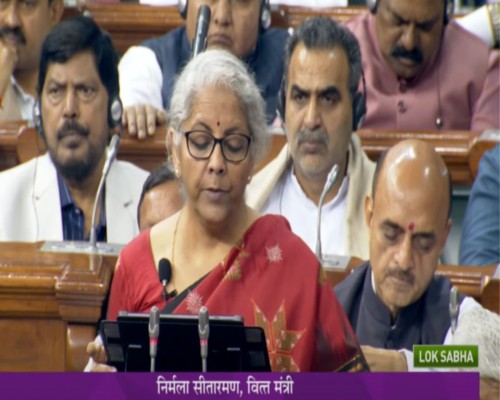
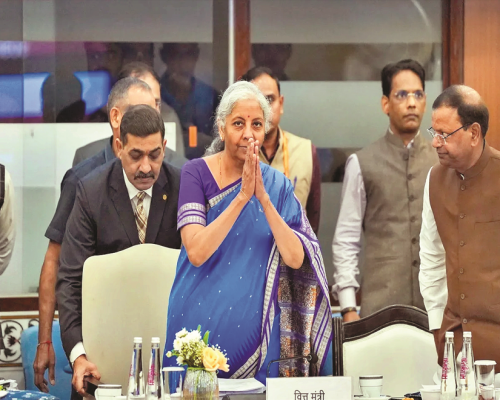
Finance Minister Nirmala Sitharaman described the reforms as not just a rationalization of tax slabs, but also a step toward ease of doing business and improving affordability for households. She emphasized that every tax rate had been reviewed carefully, keeping in mind consumer welfare and economic growth.
Industry experts believe that the rationalization will provide a big boost to sectors like manufacturing, tourism, and FMCG, while easing inflationary pressure on households.