
Housing Demand Expected to Rise with GST Cuts on Construction Materials
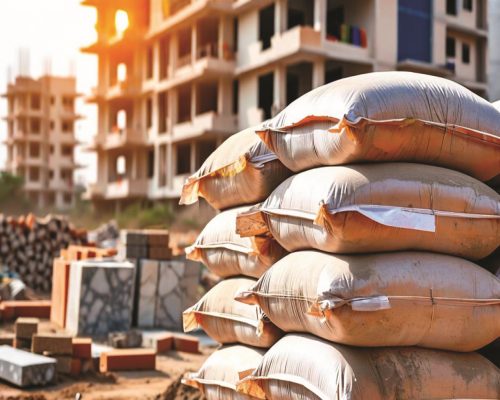
The real estate and housing sector is likely to see a surge in demand following the government’s decision to reduce GST rates on cement and other construction materials. The move has been welcomed by developers and industry leaders, who believe it will lower construction costs and make homes more affordable.
Key GST Reductions
- Cement: GST reduced from 28% to 18%, cutting one of the biggest cost components in housing projects.
- Granite Blocks: GST reduced from 12% to 5%.
- Steel and Related Materials: Lowered tax rates expected to ease the burden on builders and developers.
Industry Response
Real estate leaders say the decision will provide long-awaited relief. Neeraj Aggarwal, Chairman of a leading group, stated that reducing input costs on cement, steel, and building materials is “a necessary and timely reform” that will benefit developers and buyers alike.
Experts note that the cuts will allow developers to focus on better designs, modern facilities, and sustainable practices without significantly raising project costs.
Benefits for Homebuyers
For buyers, the reforms mean more affordable housing prices, improved access to modern residential spaces, and potentially lower EMI burdens. Corporate real estate firms are also expected to pass on savings, ensuring wider benefits for middle-class families.
Economic Impact
The real estate sector, which accounts for nearly 40% of demand in related industries, is expected to gain momentum. Analysts predict that as construction costs fall, not only will home sales rise, but demand across allied industries like steel, cement, tiles, and fittings will also see an uptick.
Outlook
Industry credit rating agencies have pointed out that reduced housing costs will help address affordability challenges, leaving more disposable income in households. This is expected to create a positive cycle of growth, with housing sales stimulating both the real estate market and multiple supporting sectors.