
Indian Exporters Fear Losing U.S. Market Access After Steep Tariff Hike
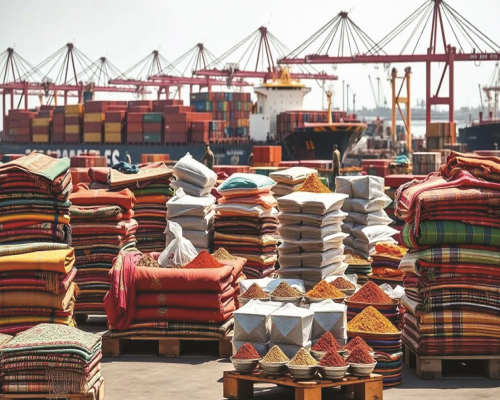
Indian exporters are facing growing uncertainty following the U.S. decision to increase tariffs on a range of Indian products from 25% to 50% starting August 27, 2025. The move, part of a broader set of trade measures announced by the U.S. administration, threatens to price Indian goods out of one of their largest and most lucrative markets.
According to trade analysts, the sectors most at risk include gems and jewellery, textiles, engineering goods, leather products, and chemicals. Industry bodies warn that the tariff hike will severely dent India’s competitiveness in the U.S., which is currently a major destination for Indian exports.
Sector-Wise Impact
- Gems & Jewellery: U.S. imports of these products from India will now attract a 50% tariff, making them significantly more expensive compared to competitors from other countries.
- Textiles & Apparel: Previously subject to a 25% tariff, these will now face 50%, likely reducing orders from American retailers.
- Engineering Goods: Items like auto components, machinery, and electrical products will also see a sharp decline in competitiveness.
- Leather Products: With a 50% tariff, leather exporters anticipate substantial order cancellations.
- Chemicals: Higher tariffs could affect both organic and inorganic chemical exports, impacting India’s market share in the U.S.
U.S. Tariff Structure on Other Countries
While India faces a 50% tariff, the U.S. has imposed varying rates on other nations — China (30%), Vietnam (36%), Indonesia (40%), Malaysia (25%), and Thailand (10%). This disparity has heightened concerns among Indian businesses that American buyers will shift orders to these lower-tariff countries.
Trade Volumes at Stake
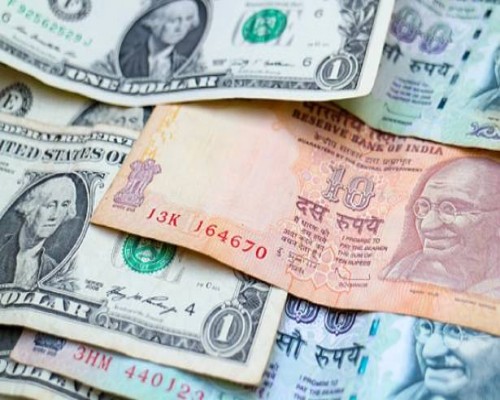
The U.S. is India’s largest single-country export market. In FY 2024–25, India exported goods worth $88 billion to America. Sectors such as gems & jewellery, textiles, engineering goods, and chemicals accounted for a large share of this figure. Any significant drop in U.S. orders could have ripple effects across India’s manufacturing and employment landscape.
Industry leaders are urging the Indian government to negotiate with Washington to reverse or reduce the tariff hike. Some have also called for exploring alternative markets to cushion the blow, while stressing the importance of supporting affected sectors through policy incentives.
Experts caution that if no remedial action is taken, the tariff hike could result in billions of dollars in lost export earnings, factory closures, and job losses across multiple industries.