
New E-Way Bill Rules to Come into Effect from August
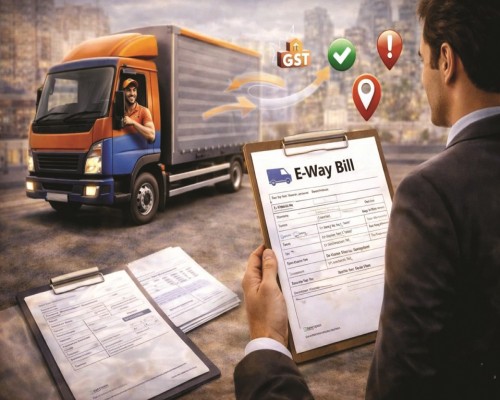
The Goods and Services Tax Network has extended the implementation timeline for two proposed changes in the e-way bill system. The new rules relating to Bill-To–Ship-To transactions and the e-way bill closure facility, earlier proposed to be implemented from June 15, 2026, will now come into effect from August 1, 2026.
The extension has been granted in response to requests from trade organisations and GST Suvidha Providers, who had sought additional time for necessary software updates and system preparedness. The GSTN has stated that the deferment will give all stakeholders adequate time to prepare for the changes and ensure smoother implementation.
According to the advisory issued by GSTN on May 20, 2026, the new rules for Bill-To–Ship-To and e-way bill closure were initially scheduled to be implemented from June 15, 2026. However, due to the need for system updates and technical readiness, the implementation has now been postponed by one and a half months.
Under the revised rules, whenever a transaction is carried out under the Bill-To–Ship-To model, the details of the “Ship-To GSTIN” or GST number will have to be mandatorily recorded in the e-way bill. The purpose of this requirement is to clearly identify the actual receiving unit of the goods and to improve the reliability of e-way bill data.
This change is expected to help both the Central and State tax administrations in better monitoring the movement of goods. By capturing the actual place of delivery and the real recipient of goods more accurately, the system will strengthen transparency and reduce ambiguity in goods transportation records.
Another important change relates to the voluntary closure facility of e-way bills. Through this facility, a taxpayer will be able to voluntarily close an e-way bill in specific circumstances. This provision is expected to help businesses in cases where an e-way bill has been generated but the movement of goods does not take place or where the transaction is cancelled due to business or logistical reasons.
The GSTN has clarified that the additional time has been provided so that taxpayers, transporters, software vendors and GST Suvidha Providers can make the required technical changes in their systems. The extended timeline is also expected to reduce compliance-related difficulties at the time of implementation.
Industry representatives believe that the deferment will help businesses avoid confusion and ensure that the new requirements are adopted in a more organised manner. Since e-way bills play a key role in tracking the movement of goods under the GST framework, any change in the system requires proper technical integration and awareness among users.
Taxpayers engaged in regular movement of goods, especially those using the Bill-To–Ship-To model, have been advised to review their internal billing, dispatch and logistics processes before the new rules become applicable. Businesses will also need to coordinate with their accounting software providers and GST compliance teams to ensure that the required information is correctly captured in e-way bills from August 1, 2026.
The implementation of these changes is expected to strengthen data accuracy, improve compliance monitoring and make the e-way bill mechanism more transparent. However, successful implementation will depend on timely system updates, user awareness and proper coordination among taxpayers, transporters and technology service providers.