
Tariffs May Impact Growth Rate, But Also Offer an Opportunity for Development
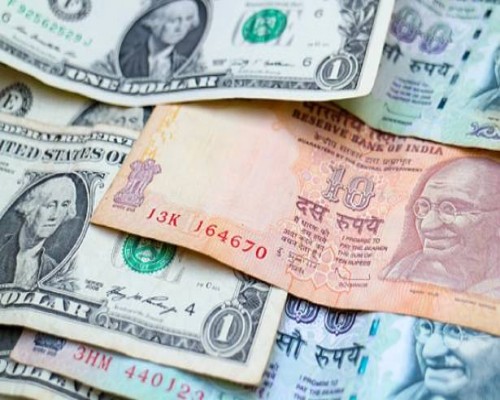
Trade experts warn that the recent U.S. tariff hike on Indian exports could slow India’s economic growth rate, but they also see it as an opportunity to diversify and strengthen domestic manufacturing. The decision, which raises tariffs on Indian goods to 50% from the previous 25%, is expected to affect export revenues by an estimated $35–40 billion annually.
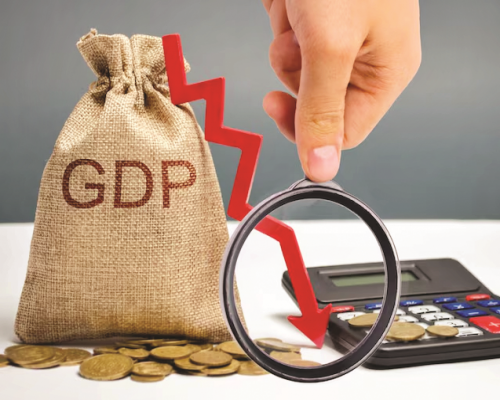
India’s total merchandise exports to the U.S. in 2024–25 stood at $88 billion, accounting for a significant portion of the country’s overall foreign trade earnings. According to economists, the higher tariffs could reduce India’s GDP growth by 0.4 to 0.5 percentage points.
However, analysts note that the crisis also presents a chance to boost self-reliance and competitiveness. By tapping alternative markets and encouraging value-added production, India could offset some of the losses. Industry leaders suggest that sectors heavily reliant on the U.S. market — such as textiles, leather, gems and jewellery, engineering goods, and chemicals — need targeted government support, including tax incentives, infrastructure upgrades, and easier access to credit.
Trade bodies have also called for the government to speed up trade negotiations with other countries to open new markets. Agreements with regions like Africa, Southeast Asia, and Latin America could help Indian exporters reduce their dependence on the U.S.
Economists emphasize that while the short-term impact of the tariff hike will be painful, it could spur India to invest more in innovation, technology, and high-quality manufacturing. This, they argue, could make Indian products more competitive globally in the long run.