
21 Major Drains Flowing into Yamuna to Be Desilted This Year
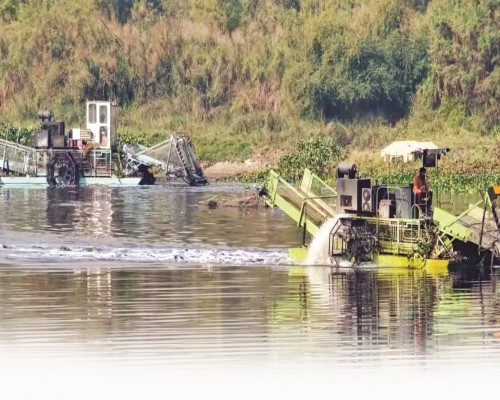
Authorities have intensified efforts to curb pollution in the Yamuna River by launching an extensive desilting drive targeting 21 major drains that discharge into the river. The initiative aims to remove accumulated silt and sludge before the onset of the monsoon season, when untreated waste significantly increases river contamination levels.
Officials noted that long-standing neglect and inadequate maintenance have led to heavy silt deposits in several large drains, particularly the Najafgarh drain, which is considered one of the primary contributors to pollution in the Yamuna. Nearly 70 percent of the river’s pollution load is attributed to this drain alone.
Desilting work began last year, and approximately 8.99 lakh tonnes of silt were removed from the Najafgarh drain. For the current year, the target has been set at 15.26 lakh tonnes of silt removal. In total, around 5.03 lakh tonnes of sludge have already been cleared from various major drains, with the remaining volume scheduled for removal before the monsoon.
To accelerate the process, the government has procured 32 advanced machines designed specifically for large-scale desilting operations. These machines include long-boom amphibious excavators, hydraulic excavators, amphibious multipurpose dredgers, self-propelled unloading barges, mini amphibious excavators, weed harvesters, wheel skid steer loaders, and other specialized equipment.
Among the newly acquired machinery is a Finland-sourced amphibious dredging system capable of operating on both dry land and in water up to six meters deep. Equipped with high-capacity cutters, the system can convert dense sludge into pumpable material and transport it up to 1.5 kilometers away through pipelines for safe disposal. The equipment is capable of extracting up to 600 cubic meters of sludge per hour.
Officials stated that once all 32 machines are fully operational, desilting work across the 21 major drains—including the Najafgarh drain, supplementary drains, Barapullah drain, and Shahdara drain—will be completed in a time-bound manner. The primary objective is to prevent untreated sludge, silt, and solid waste from entering the Yamuna and exacerbating pollution levels.
The initiative also aims to improve the overall efficiency and speed of cleaning operations through mechanization, reducing dependence on manual labour and enhancing safety standards. Authorities emphasized that systematic removal of accumulated silt will improve water flow, reduce stagnation, and lower the concentration of pollutants entering the river.
The large-scale desilting drive reflects a renewed commitment to restoring the ecological health of the Yamuna by addressing one of its most persistent sources of contamination. Officials expressed confidence that the intensified efforts and deployment of advanced technology will significantly strengthen pollution control measures and contribute to long-term river rejuvenation.