
Asia Warming at Twice the Global Rate Due to Climate Change

Global warming is impacting every continent, but Asia is heating up at nearly twice the average global rate, according to a new report by the World Meteorological Organization (WMO).
The study revealed that from 1991 to 2020, Asia’s average temperature increased by 0.86°C—significantly above the global average of 0.44°C. Over the past three decades, Asia has seen a total rise of 1.04°C compared to the 1961–1990 baseline.
Record Heat and Ocean Temperatures
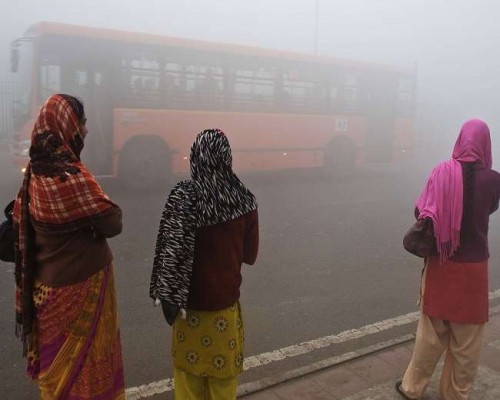
In 2023, South Asia and other regions recorded temperatures as high as 48.2°C, making it one of the warmest years ever. Ocean temperatures have also increased by 0.24°C over the same period, accelerating glacial melt and disrupting marine ecosystems.
Experts warn that rising sea levels, heatwaves, and extreme rainfall will lead to massive losses, especially in low-lying countries and coastal areas.
Alarming Losses in the Himalayas
Of the 24 major glaciers monitored, 23 have experienced severe shrinkage. The retreat of Himalayan glaciers is expected to worsen floods and disrupt water supplies for millions of people in South and Central Asia.
The report highlighted that Asia’s warming trend is intensifying with each passing year. In 2024, temperatures are expected to again reach record highs, potentially surpassing previous extremes.
Urgent Action Needed
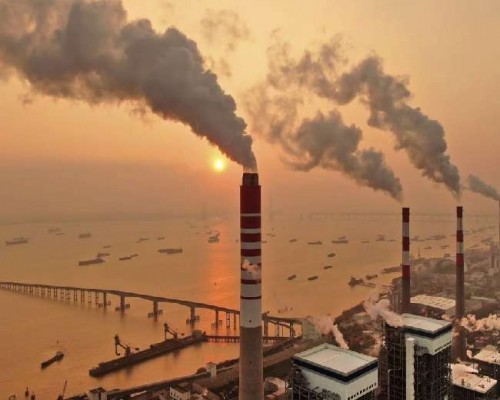
Scientists have urged countries to act swiftly to reduce emissions and invest in climate adaptation strategies. Without immediate measures, Asia’s rapid warming could have irreversible consequences for agriculture, public health, and economic stability.