
Bio-CNG from Waste Could Power 17,000 Cars Daily
According to a recent report by the Centre for Science and Environment (CSE), India has the potential to produce significant quantities of bio-CNG from municipal solid waste, enough to fuel around 17,000 cars every day. In Delhi alone, 210 tonnes of wet waste are generated daily, which could be converted into 174 tonnes of bio-CNG.
The study identifies Maharashtra as the leader in bio-CNG potential, with the capacity to produce 389 tonnes per day from 11,677 tonnes of wet waste. Other major contributors include Uttar Pradesh (298 tonnes), Tamil Nadu (266 tonnes), and Karnataka (190 tonnes).
What is Bio-CNG?
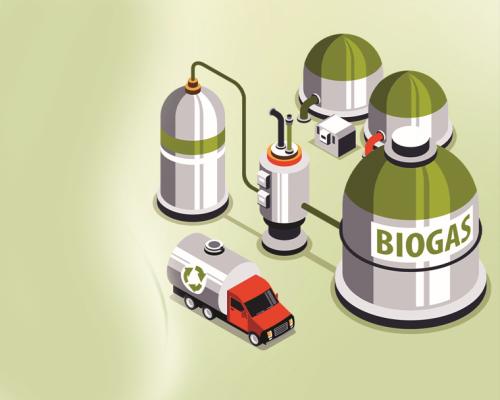
Bio-CNG is produced through the anaerobic digestion of organic waste, including food and agricultural residues. The process captures methane, which is then purified to produce a high-quality fuel suitable for vehicles, industries, and domestic use.
Environmental Benefits:
- Reduces landfill waste and associated methane emissions.
- Cuts dependency on fossil fuels.
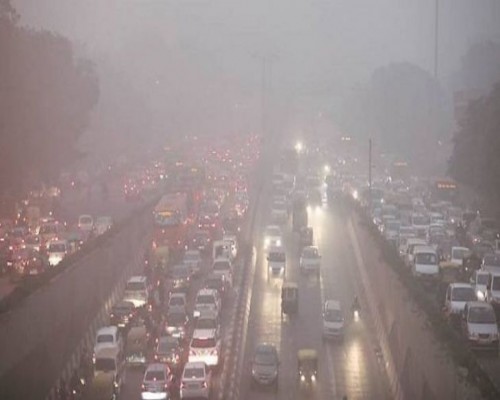
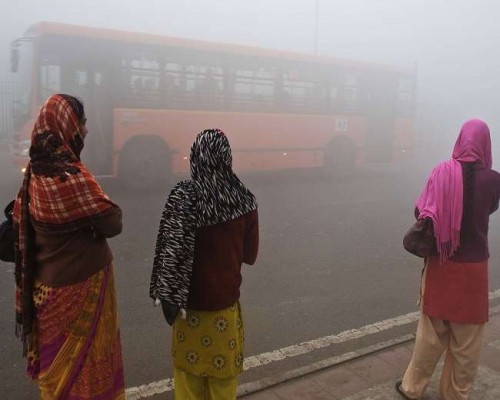
- Provides a cleaner alternative for transportation, reducing urban air pollution.
Report Highlights:
- Converting waste to bio-CNG can replace diesel in public transport fleets, lowering operational costs.
- If fully utilized, the bio-CNG potential in Indian cities could significantly cut greenhouse gas emissions.
- States and cities need robust collection, segregation, and processing infrastructure to maximize production.
Experts suggest that bio-CNG can play a crucial role in India’s clean energy transition while simultaneously addressing the mounting waste management crisis.