
Deadline Set to Clear Okhla, Bhalswa and Ghazipur Landfills by December 2026
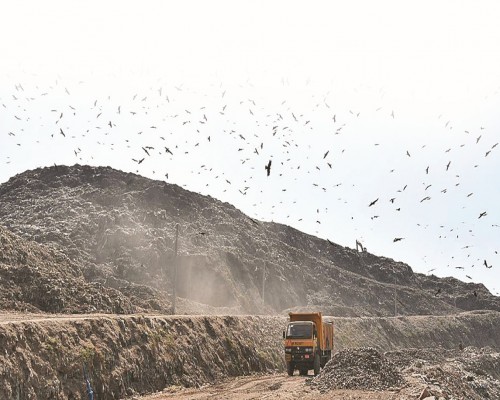
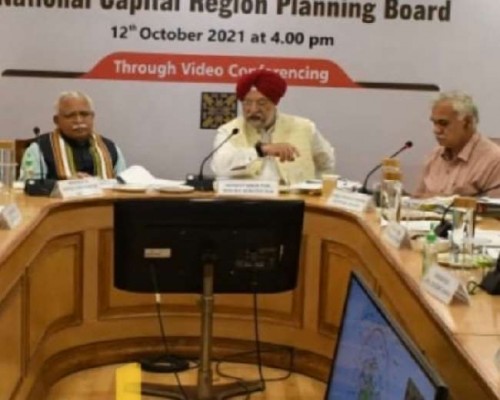
The Government has set a clear deadline to eliminate the massive garbage dumps at Okhla, Bhalswa and Ghazipur by December 2026, marking a major step in addressing urban pollution and waste management challenges. The directive was issued following a high-level review meeting focused on improving environmental conditions and strengthening pollution-control measures.
During the meeting, senior officials were instructed to accelerate remediation work at the three landfill sites and ensure that waste processing and legacy waste removal are completed within the stipulated timeline. The objective is to permanently eliminate these long-standing waste mountains and prevent further environmental and public health risks.
In addition to landfill clearance, authorities were directed to ensure that no fresh dumping or unregulated waste accumulation occurs at these sites. Emphasis was laid on scientific waste processing, segregation, and disposal to avoid the recurrence of similar situations in the future. Officials were also asked to develop annual action plans with measurable targets to monitor progress effectively.
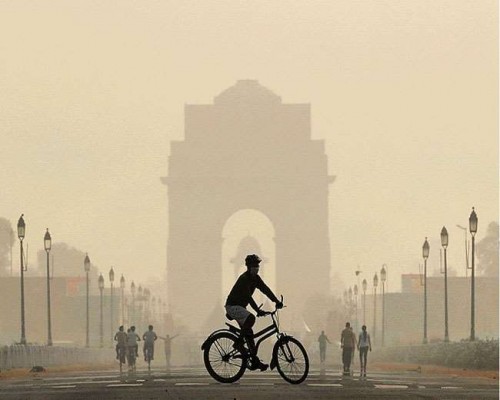
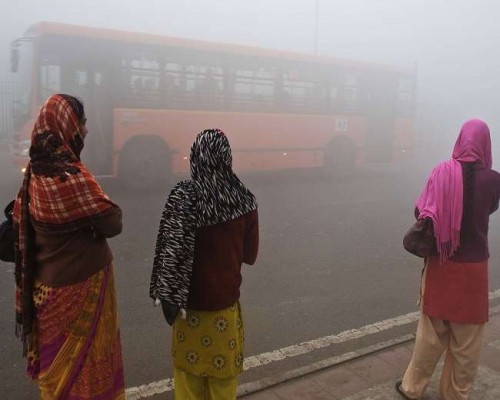
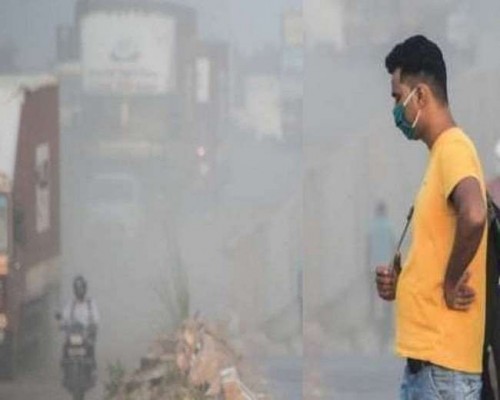
The review also focused on controlling air pollution in the capital. Instructions were issued to strictly regulate construction and demolition activities, with a strong emphasis on dust control measures. Construction debris management norms are to be enforced rigorously, and permissions for demolition work will be granted only after ensuring compliance with environmental safeguards. Large-scale construction debris sites are to be managed within a defined radius to prevent environmental damage.
As part of the air-quality improvement strategy, authorities identified more than 60 pollution “hot spots” where air quality frequently deteriorates. A comprehensive plan is being prepared to mitigate pollution at these locations through targeted interventions, improved traffic management, and stricter enforcement against violations.
The government has also planned the development of around 100 new pollution hot spots for detailed monitoring and corrective action. Dedicated teams will be deployed to assess pollution sources, implement mitigation measures, and track improvements in air quality over time.
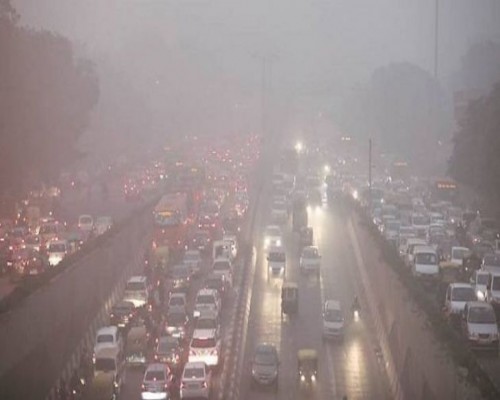
Measures to reduce vehicular pollution were also reviewed. Directions were issued to improve traffic flow, regulate the movement of heavy vehicles, and implement time-based restrictions where necessary. Authorities were advised to promote cleaner transport options and ensure better coordination among traffic, municipal, and environmental departments.
Officials emphasized that public participation would play a key role in the success of these initiatives. Awareness campaigns, community engagement, and strict action against repeated violators are expected to support the broader objective of reducing pollution and improving urban living conditions.
With a firm timeline in place and multi-sectoral action planned, the government aims to significantly reduce pollution levels, reclaim land from legacy waste, and create a healthier and more sustainable urban environment by the end of 2026.