
Environmental Conservation Is Rooted in Indian Culture: Ramakant

The core values of Indian tradition, knowledge systems, and culture have long upheld the principle of environmental conservation. In Indian philosophy, all living beings and natural elements—such as the five elements (Panchtatva)—are seen as essential parts of existence, and society has historically lived in harmony with nature.
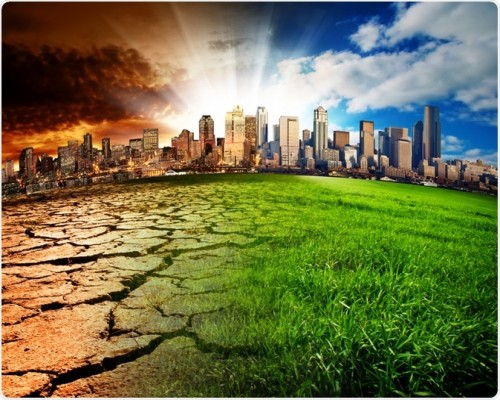
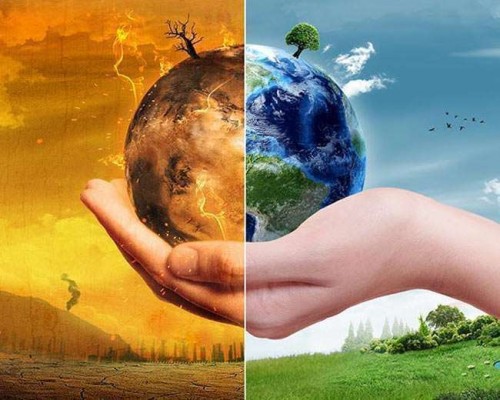
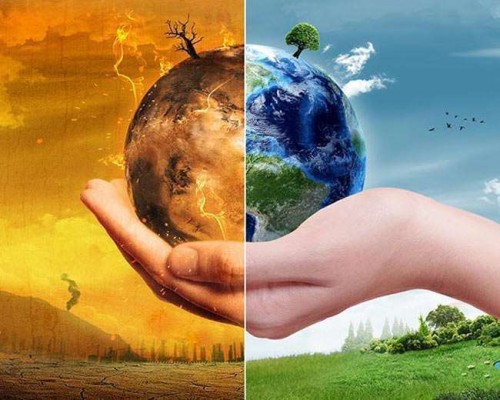
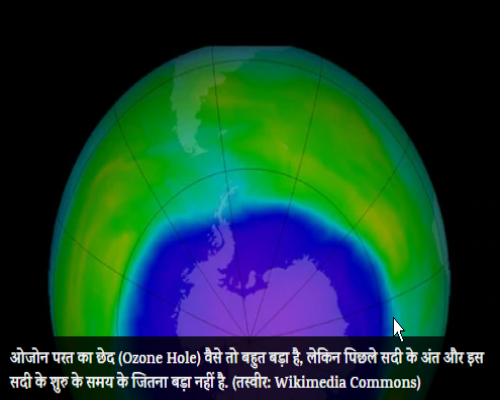
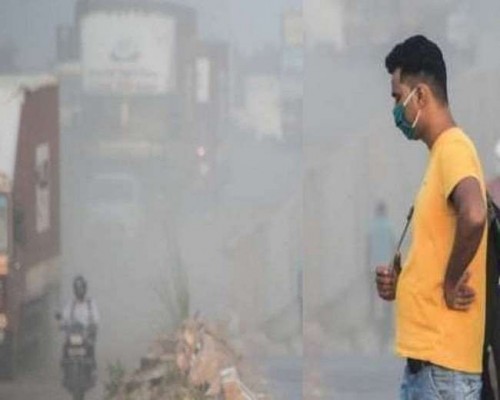
Ramakant, Chairman of Research and Development, India, emphasized that this deep-rooted respect for nature offers India a unique opportunity to become a global leader in sustainable living. However, rising environmental degradation and excessive human activity have caused a spike in Earth's temperature, disrupting the planet's ecological balance.
This imbalance is resulting in more frequent natural disasters: irregular rainfall, prolonged droughts, heatwaves, storms, and wildfires. Rapid glacier melting is raising sea levels and threatening coastal cities with submersion. Scientists warn that unless serious action is taken, parts of major cities will soon be underwater due to rising seas.
Call to Tackle Plastic Waste
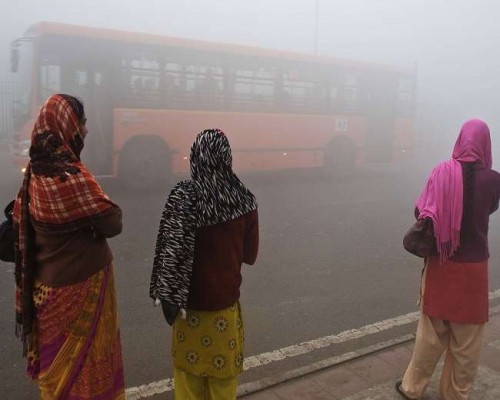
Ramakant stressed the urgent need to control plastic pollution and climate change. He noted that climate change is no longer a distant issue; it is already affecting densely populated countries and developing nations the most, while developed countries are contributing significantly to the problem.
India, he said, has always believed in the philosophy of “we are one with the Earth,” and is now promoting global initiatives like Mission Life. India is among the few nations successfully integrating traditional wisdom with modern action.
Energy, Sustainability, and Climate Action
India was among the first countries to sign the International Solar Alliance and is actively promoting solar energy use. With only 2.5% of the world's land and 4% of freshwater resources, India supports 18% of the global population—yet it is playing a proactive role in global climate efforts.
India is also rapidly expanding clean energy use, implementing green building policies, and promoting sustainable agriculture. Over 89 wetlands have been declared Ramsar sites, ensuring ecological protection and sustainable water use.
Individual and Collective Responsibility
Clean energy, reduced consumption, and eco-friendly living can make a major difference. Every individual and family must adopt sustainable habits. From using solar power and energy-efficient lighting to reducing plastic and waste, conscious living is essential for protecting the planet.