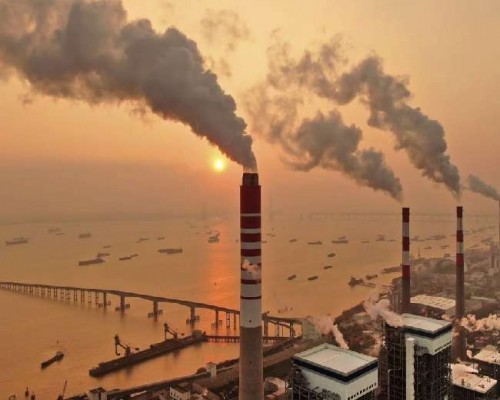

Fireworks Pollution on Diwali Equals Three Days of Bombing in the Russia–Ukraine War
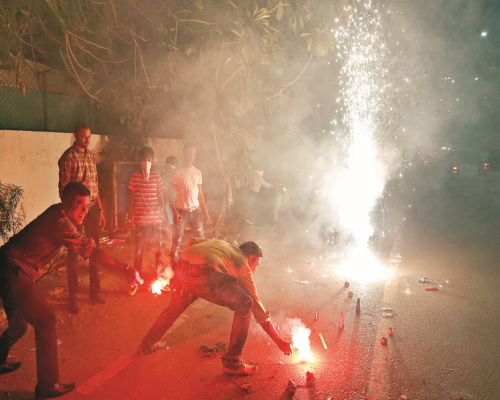
Over 62,000 tonnes of fireworks used across India; 13% increase from 2024, says new environmental report
This year’s Diwali celebrations in India witnessed an alarming rise in air pollution, with an estimated 62,000 tonnes of firecrackers burned nationwide, according to a joint analysis by the Environmental Agency for Energy and Climate Intelligence Unit (EIU) and the Central Pollution Control Board (CPCB).
Experts say the pollution load released into the atmosphere during Diwali was comparable to the emissions from three days of bombing in the Russia–Ukraine war — highlighting the scale of particulate matter and toxic gases produced during the festival.
The figure represents a 13% increase over Diwali 2024, when roughly 55,000 tonnes of fireworks were used.
Nationwide Findings
The report, compiled with data from CPCB’s System of Air Quality and Weather Forecasting and Research (SAFAR) and the National Remote Sensing Centre (NRSC), covered Delhi–NCR, Mumbai, Jaipur, and 12 other major cities. Across these urban centers, between 61,500 and 63,000 tonnes of fireworks were estimated to have been used during the three-day celebration period.
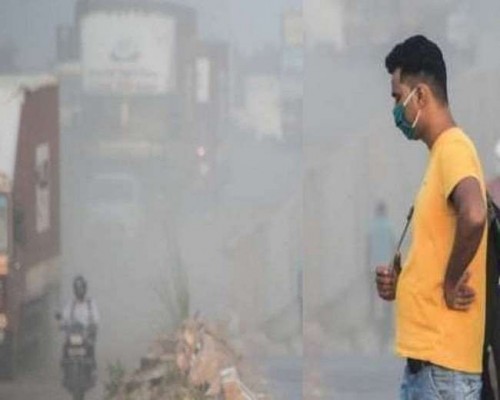
The highest emissions were reported in Delhi–NCR, where poor air circulation trapped pollutants close to the ground, resulting in dangerously high levels of PM2.5 and PM10 — the fine particulate matter responsible for severe respiratory illnesses.
Toxic Cocktail in the Air
The EIU report provides a stark chemical and environmental breakdown of Diwali pollution:
- Fireworks release temperatures as high as 1,400°C, dispersing heavy metals like strontium, barium, aluminum, and lead into the air.
- The total emission load during Diwali is estimated at 4.2 million tonnes of carbon dioxide equivalent, along with 1.9 million tonnes of other toxic compounds.
- The particulate matter concentration recorded within 48 hours of Diwali night remained over 295% higher than baseline levels.
The Aftermath: 48 Hours of Toxic Smog
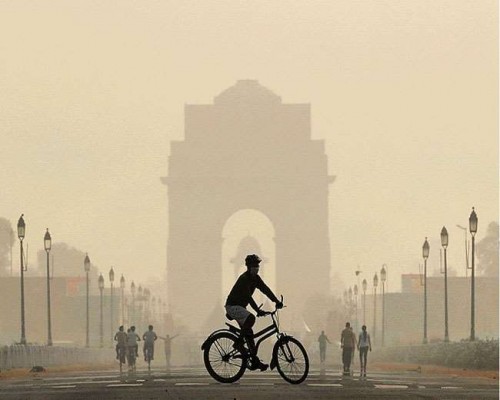
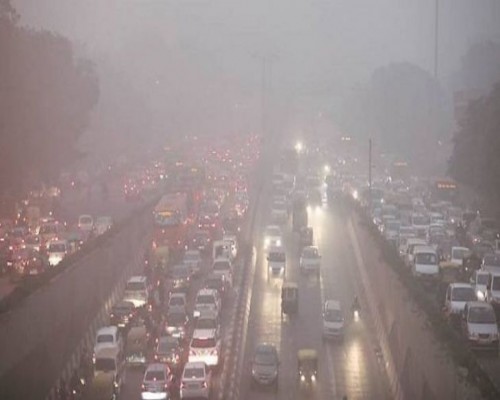
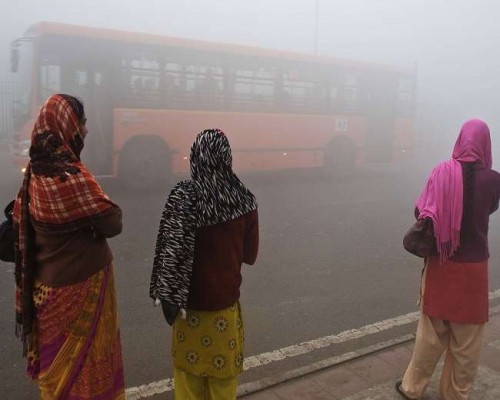
Delhi and other northern cities experienced a dense layer of smog for nearly 48 hours following the festivities. According to SAFAR data, airborne pollutants remained trapped due to stagnant winds and lower night-time temperatures, resulting in visibility dropping to as low as 300 meters in some parts of the capital.
During the 36–48 hours following Diwali night, PM2.5 concentrations averaged between 850–1,100 µg/m³ — more than 17 times the World Health Organization’s safe limit.
Experts Warn of Long-Term Impacts
Environmental scientists emphasize that while fireworks symbolize celebration, the scale of their use has turned Diwali into an environmental crisis.
“The sheer quantity of chemical compounds released in a few hours equals what heavy bombardments release in multiple war zones,” noted an EIU researcher involved in the study.
The report calls for nationwide awareness campaigns, a ban on high-emission fireworks, and promotion of green alternatives to ensure that the festival’s joy does not come at the cost of public health and the planet’s atmosphere.